Winter becomes Spring

Winter becomes Spring

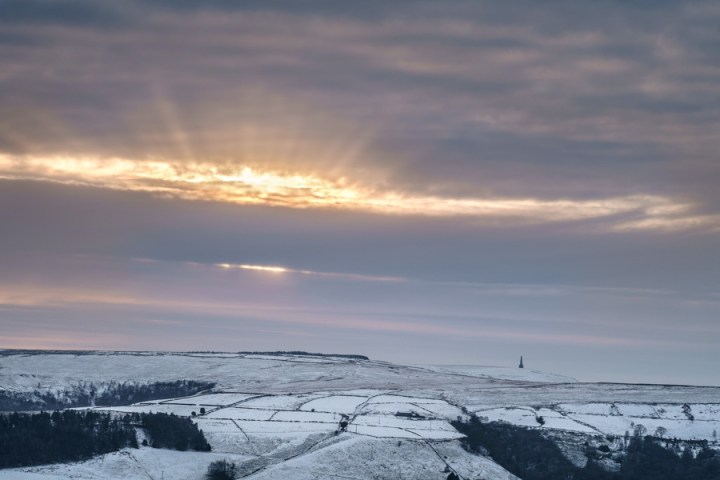
I was surprised to see it’s been quite awhile since I last wrote anything on here, tempus fugit! Winter has slipped by and we’re well into spring now, with the tree’s starting to green up and all the usual spring flowers in abundance in this verdant valley I call home. We had quite a decent winter in Yorkshire, with some good snow falls. A marked improvement on last year’s mild, but damp and grey affair – at least as far as photography is concerned!

DSCF4597-Edit
[exif id=”895″]

The heaviest snowfall deposited around a foot of the white stuff on the hillsides around Calderdale. Probably a little more up on the tops. Pictured above is the hamlet of Old Chamber, a stones throw east of market town Hebden Bridge. It was a hell of a slog up the steep cobbled road to reach it, with on and off snow showers to contend with. Still it was great to finally reach the top and meander along the high road, before descending down through Crow Nest Wood into town for a much needed hot drink!

DSCF4700
[exif id=”896″]

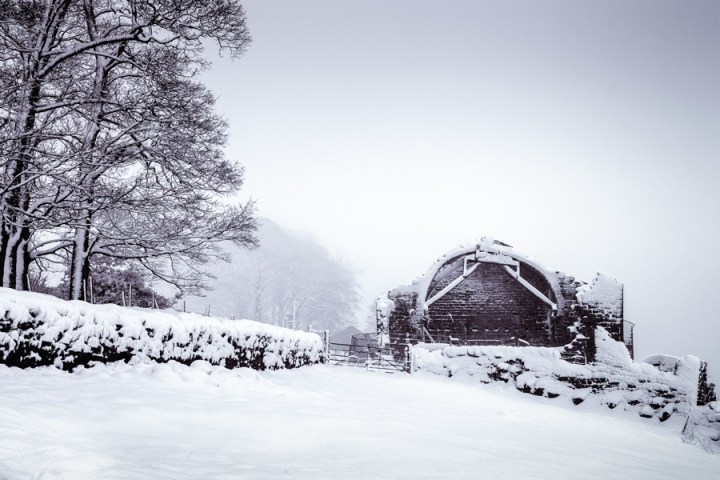
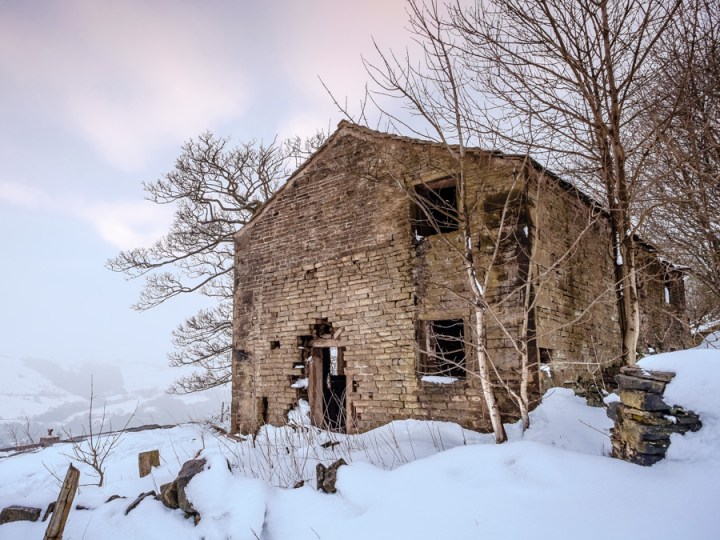
I’ve visited this old ruined cottage above Mytholmroyd on several occasions since 2012. Not much has changed in the last three years, save one or two more bricks going missing above the doorway. It looked lovely nestled in the undulating snow drifts with the valley behind largely obscured by fog. Such a shame it’s been left to fall down.

DSCF5106
[exif id=”897″]

In February I made the decision to part ways with my Fuji 60mm prime. Like many owners of this lens, I’ve had something of a love hate relationship with it. It’s a focal length I grew to really enjoy, and optically the lens was stellar with lovely bokeh, great sharpness and a good size to weight ratio. Of course the major downside was, that despite several firmware updates, it was a slow lens to focus. Coupled with my ageing X-E1, and I was starting to find I was missing too many shots to AF errors and decided it was finally time to part ways. What could replace it – the 56mm f1.2? Well maybe one day, but for now I’ve decided to rearm myself with a long telephoto zoom.

Last year I briefly owned the cheap and cheerful XC 50-230mm zoom, after getting a good deal on one at the Photography Show in Birmingham. However I found after awhile that the slow maximum aperture, and to an extent the image rendering, weren’t really what I was looking for. So this time I’ve gone a step further and have opted for the Fuji XF 55-200mm. It’s bigger, heavier and has a slightly more limited zoom range. However it’s significantly faster at the long end (f4.8 vs f6.7), has more pleasing micro-contrast and colour rendering to my eye. Overall I’m pleased with the results it produces, it’s easily as sharp at 55mm as the 60mm prime and is very good through the range, only really getting a little weak at the far end (as is often the case with zooms). How much of that is actually the optic’s fault and how much my X-E1’s weak AF system, I’m not entirely sure yet as it seems a little variable.

Admittedly the 55-200mm is not really that well matched to an X-E body – I really notice the extra weight when it’s hanging from the camera around my neck. I’m hoping I’ll be able to upgrade to an X-T1 (or whatever replaces that), within the next year though. So it’s a forward looking purchase in that regard. I’ll post a full review when I’ve had some more time to put it through its paces.

_DSF5532
[exif id=”891″]

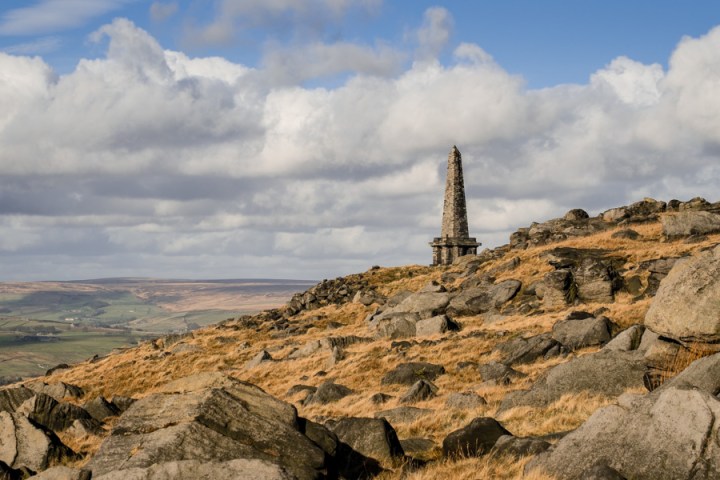
February also saw a trip to iconic local landmark Stoodley Pike, with my good friend Penny. We approached from the Mankinhole’s side, which I’d not tried previously. This afforded me some new views, including this boulder strewn one which I rather like.

_DSF5618
[exif id=”892″]

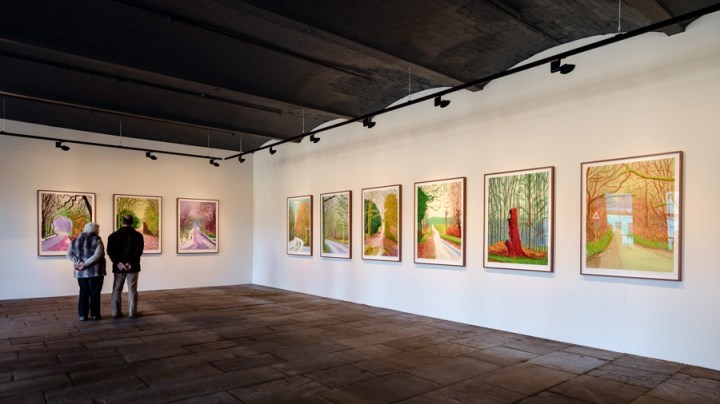
Onward’s to March now and a visit to Salt’s Mill in Saltaire, near Bradford. Salt’s Mill is an incredible sprawling Victorian textile mill, surrounded by a village of terraced houses that once provided homes for the mill’s many workers. It’s a lovely place and was designated a UNESCO World Heritage Site in 2001. The mill itself is no longer working, but remains in use as a gallery and shopping space. It has a strong connection with Bradford-born David Hockney, whose work can be found brightening the galleries.

_DSF5628
[exif id=”899″]

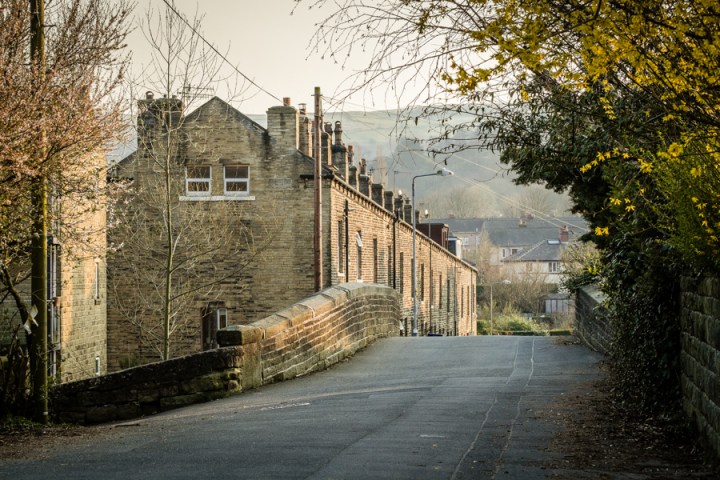
Finally here’s one more shot from Mytholmroyd, this time of an old Victorian terrace that runs between the Rochdale Canal down towards the River Calder. I like the compressed perspective here and the neat angles. The gentle hump of the bridge hides the busy main road at the end of the terrace.

Until next time, if you enjoy my writing and images please consider supporting me and the site by purchasing a print from my store here or on Etsy.

_DSF5949
[exif id=”893″]

Fuji XF 14mm f2.8 R review

Fuji XF 14mm f2.8 R review

Let’s just start by saying I’m really excited by this lens. I used to own the really nice Samyang 14mm f2.8 when I shot Nikon and it’s a focal length I’ve missed since switching to Fuji. For the last couple of years a Samyang 8mm fisheye was my fallback ultra-wide option, but fisheyes have limitations and I found I was using mine less and less. As a result I decided to sell it a few months ago. That left me with the 18mm f2 as my widest lens. The 18mm is a good lens, but it does have its shortcomings optically and I found myself yearning for something that could produce more dramatic results for landscape and street work. I did seriously consider Samyang’s new 12mm f2 ultra-wide angle, but I’ve read so many good things about the Fuji 14mm I decided to play it safe. I’m glad I did – this lens is clearly a winner.

Pros and cons of going wider

While 14mm (21mm equivalent) is not at the extreme end of the wide angle spectrum on APS-C, it’s enough to make photos look more dramatic and out of the ordinary. With the sheer ubiquity of 18-55mm (~28-85mm) lenses, people are used to seeing images at those focal lengths. That means lenses that break out of that range immediately have the potential to create more interesting pictures. The downside for the photographer is that it can make composition and getting the right exposure more complicated. You’ve potentially got to get a lot closer to subjects to make them fill your frame, then you have distortion to worry about, especially when shooting people. It’s often hard to keep bright light sources in the periphery out of your shot, which can throw off the camera’s metering causing under exposure or blown highlights. None of these things are insurmountable challenges, but they all take getting used to and are worth bearing in mind as they generally get more pronounced the wider the lens is.

14 vs 18

18mm vs 14mm

Compared to the Fuji 18mm lens (left), the 14mm is a fair bit bigger. It’s roughly the same size as the 60mm f2.4 or the 18-55mm f2.8-4 zoom. In fact it shares the same petal shaped, plastic (boo) lens hood with the latter. It has a 58mm filter thread which it shares with the 18-55mm, 16-50mm and 50-230mm zooms, but notably none of the other Fuji primes.

The 18mm is optically decent, (especially if you’re willing to work around its limitations in post*), but the 14mm is truly stellar. It shoots beautiful, sharp, undistorted images effortlessly. It’s already very sharp wide open at 2.8 and it really only gets better from there before diffraction starts to shave away at the sharpness past f8. But really most of the time you’re going to be using this lens from f2.8 to f5.6 where it really shines.

* The 18mm is hampered by chromatic aberration and the forced distortion correction both in-camera and in Lightroom loses you a lot of resolution at the image edges. For shots where resolution really matters it’s worth using a RAW processor that will let you disable this as it brings up the edge quality considerably (at the cost of some distortion natch).

Something presently only available on the 14mm and the 23mm f1.4, is the distance scale painted on the lens barrel and push-pull manual focus mechanism. When in autofocus mode, the focus ring is locked and won’t rotate. Pulling it back towards the camera body reveals distance markings and unlocks it with a satisfying click. The focus ring is range limited, with a 1/3rd turn moving it between infinity and near focus. The issue with this design is that there’s no way to autofocus and then tweak your focus manually. People who like to use manual mode and focus with the AE-L/AF-L button may be unhappy as a result. Personally I rarely use manual focus on AF lenses, but the distance scale and hard stopped focus ring will no doubt appeal to zone focus aficionados.

In use

Now if you’re after MTF charts or shots of brick walls, we’ll have to part ways here, but if you’d like to see some real life images shot with this lens then let’s plough on!

I’m lucky enough to live within easy travelling distance of the wonderful old English city of York, and where better to play with a wide angle lens than the cavernous, intricately detailed interior of York Minster Cathedral?

York Minster[exif id=”822″]

You’ll notice I’ve shot this at f10. That wasn’t intentional and it brings me to really the only negative point with this lens – the aperture ring is too loose and is very easily changed unintentionally. I find the 18mm and 60mm have about equal stiffness and aren’t too easy to jog once mounted, but the 14mm is definitely one to keep an eye on.
DSCF3924[exif id=”824″]

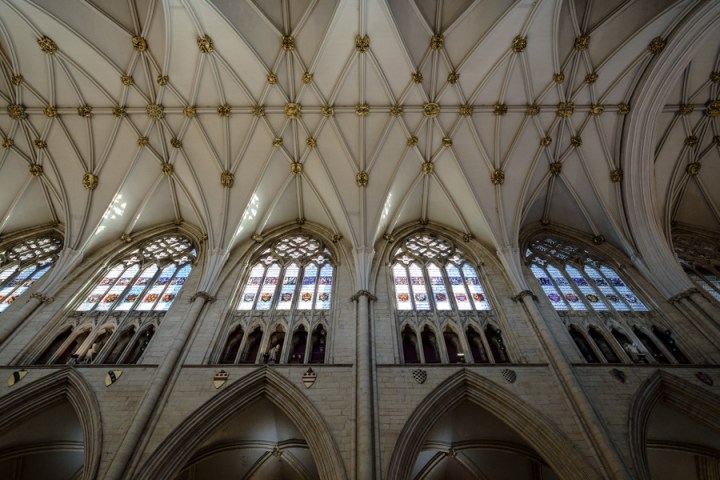
The lack of distortion (even with corrections disabled in RAW) is a major boon for anyone looking to shoot architecture. The focal length also makes getting sharp images handheld at low shutter speeds fairly easy. It was quite dim inside the cathedral so I found myself shooting 1/30 and even 1/15 sec on several occasions, despite this the majority of the shots I took were sharp and free from motion blur.
DSCF3929-2[exif id=”825″]

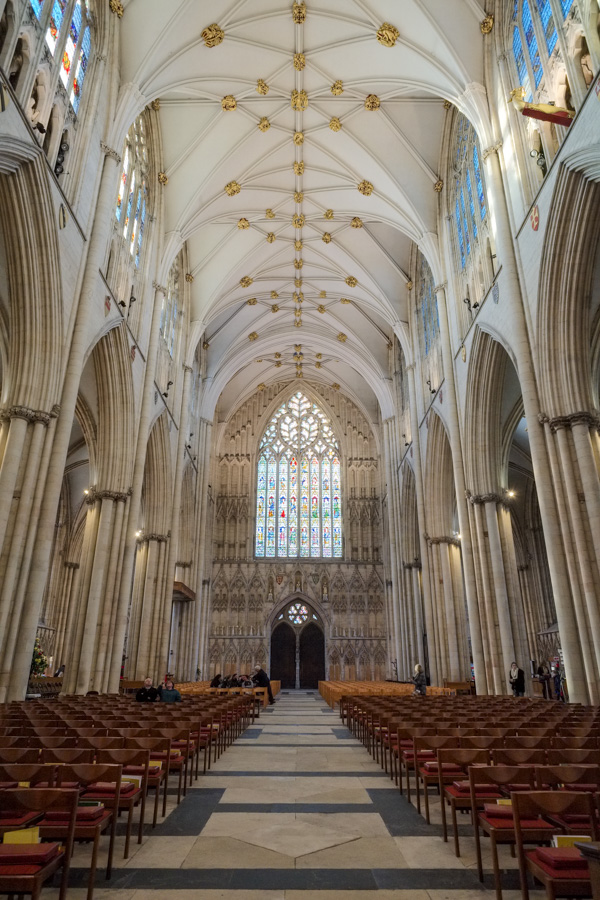
You definitely have to pay more attention to your composition with wider angle lenses, as I mentioned earlier. It’s not as extreme as shooting with a fisheye, where a few degrees up or down could ruin your image if you wanted a flat horizon, but it can still strongly impact the look of a shot. Attempting to keep verticals dead straight inclines you towards creating ’50/50′ images with the horizon bang in the centre. This can leave you with unwanted masses of sky or foreground when shooting landscape or architecture. A solution can be to tilt upwards a little then correct in post (Lightroom has fantastic tools for this and can even automate much of the process). Or of course you can try and find a higher vantage point! In this case I’ve left the shot as is, but you can see if I’d gone for straight verticals I’d have had a lot more chairs and tiled floor in the shot and lost much the fantastic vaulted ceiling.

DSCF3947-2[exif id=”826″]

This is my favourite shot of the day. Looking straight up at the ceiling of the main tower. It’s almost dizzyingly high. I’ve cropped this down a little bit to help with the symmetry, but you still feel the benefit of the 14mm, as gives you the leeway to do this that the 18mm wouldn’t. Even at f4 it’s fantastically sharp into the extreme corners. This is certainly a lens that will stand the test of time if Fuji moves to higher megapixel sensors in the future.

DSCF3989-2[exif id=”828″]

Of course the 14mm excels at grand landscapes too once you get outside. In this case after climbing 275 steps in claustrophobically narrow spiral staircases! Outdoors the challenge becomes balancing the exposure. It’s easy to throw off the metering by having so much bright sky in the shot. The advantage of shooting RAW is the huge dynamic range the X-trans sensor can capture. You can pull so much out of the shadows without things getting noisy, it can really save images where it appears you’ve completely lost areas to darkness. Hover over the image above to see the same shot with no adjustments applied. I’m happy to report I didn’t notice any problems with flare even when shooting with the sun just out of the corner of the shot. I imagine the smallish front element helps here.

Moving on to the National Railway Museum now, also in York, you can see another of the 14mm’s traits – incredibly close focus. In fact you can get to within 10cm of your subject and still be able to lock focus (you don’t even need to enable macro mode, which seems to have no practical effect with this lens). Bokeh is decent as wide angles go, although naturally it’s not quite as smooth and creamy as the 18mm f2 at close distances.

Train lamp[exif id=”837″]

DSCF3858[exif id=”838″]

Finally here’s one more shot from the museum. I’ve cropped it to 16:9 to further emphasis the cinematic look the lens gives to images. Wide angles like the 14mm are great for showing differences in scale, especially when you’ve got people in the shot.

Summary

I can really recommend this lens without caveats. Optically it’s stunning, it’s a good size, weight and balances well. The only real niggle is the loose aperture ring, and that’s something that’s easy to live with when the lens delivers such good results. Whether it’s right for you or not will depend on your shooting style and whether you prefer the versatility of a zoom or like a bag full of fantastic primes. I think I’m fairly heavily in the bag full of primes camp!

There are now quite a few wide angle options for the X mount: the 12mm f2.8 Zeiss Touit, the 12mm f2 Samyang, the 10-24mm f4 Fuji zoom and the 18mm Fuji at the narrower end, which is also covered by several of their general purpose zooms. There’s also a 16mm f1.4 Fuji due out later this year that will no doubt be an interesting optic. If you want a more extreme wide angle, the Zeiss and Samyang offerings are no doubt very good, although the Zeiss is pricey and the Samyang only manual focus. If you prefer zooms then the 10-24mm is also very good, but it can’t quite touch the overall optical quality of the 14mm based on the reviews I’ve seen, especially in the corners. It’s also getting a bit on the big and heavy side for my liking. If you’d like further reading, you can see a nice comparison between the Fuji wide primes and the 10-24mm on Fuji vs. Fuji.

~

If you’ve enjoyed this review, please consider supporting me and the site by purchasing a print from my store here or on Etsy.

Twelve images for twelve months

To round out 2014 I thought it would be nice to share an image taken in each month of the year. I’ve tried to stick to photos I’ve not previously posted for the most part. These are all taken around West Yorkshire, with the exception of August’s photo which was shot in Grassington in North Yorkshire.

January

From the folly[exif id=”779″]

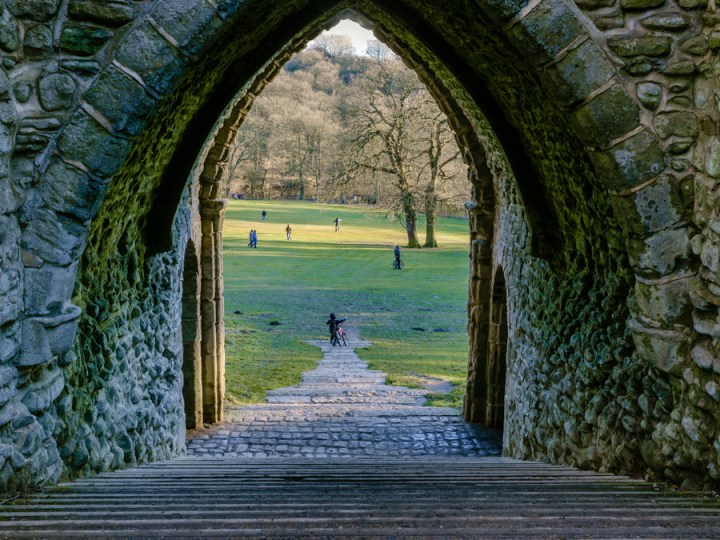
The first image is of Roundhay park in Leeds.

February

War Memorial
[exif id=”785″]

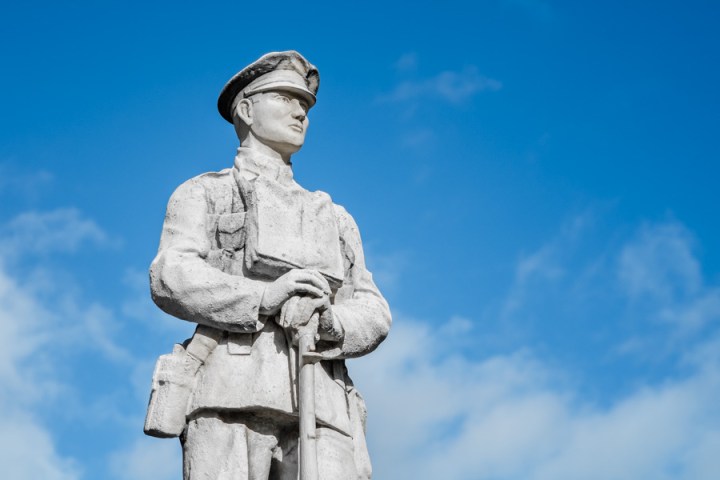
The war memorial in Mytholmroyd. This year was the centenary of World War 1.

March

Daisy Bank in the Fog[exif id=”787″]

Daisy Bank in Mytholmroyd, shrouded in thick fog.

April

Whitens Clough[exif id=”788″]

The far end of Whitens Clough reservoir captured with my Samyang fisheye. I went to Copenhagen in April if you’d like to see some images from further afield.

May

Bluebell Path[exif id=”789″]

The glorious bluebell display in Red Acre Wood, captured with my Zhongyi Lens Turbo + Pentax 50mm f2.

June

Amazing bicycle fish[exif id=”790″]

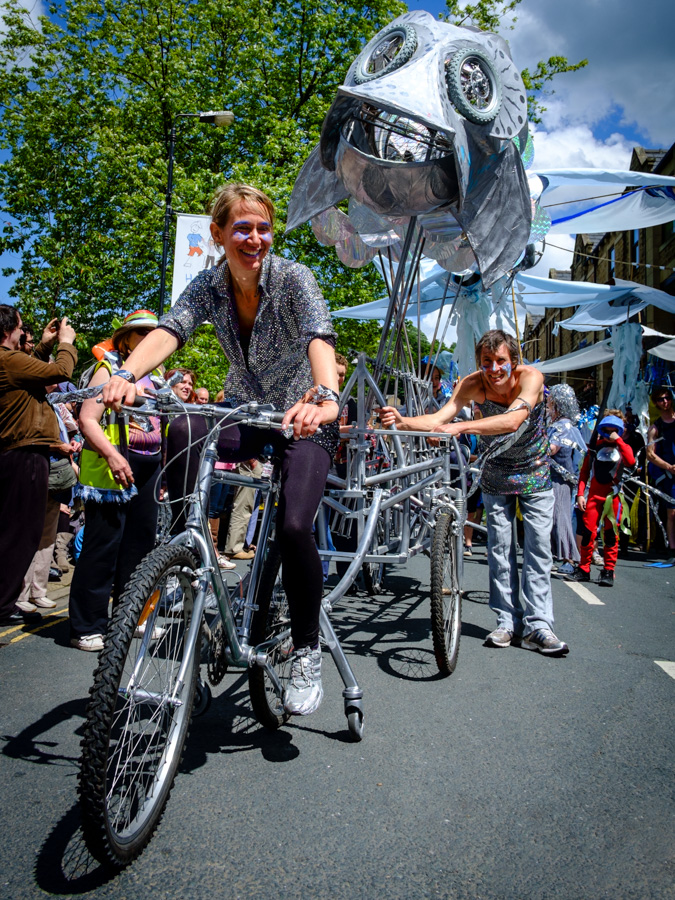
It’s hard to post an image from June and not include one from the fabulous Handmade Parade.

July

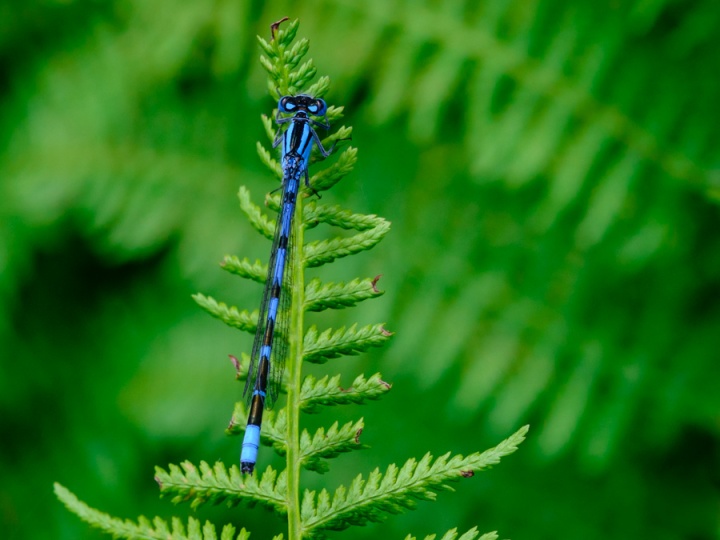
Common Blue Damselfly[exif id=”791″]

I spied this little fellow while walking in the grounds of Harewood House, near Leeds. It was tempting to post a Tour de France image for July, but I’m feeling a little ‘Le Tour’ fatigue at the moment, so I’ve decided to go with this nature shot instead! Have a look at my Yellow Bicycle Project if you’d like to reminisce about Yorkshire hosting the Grand Depart.

August

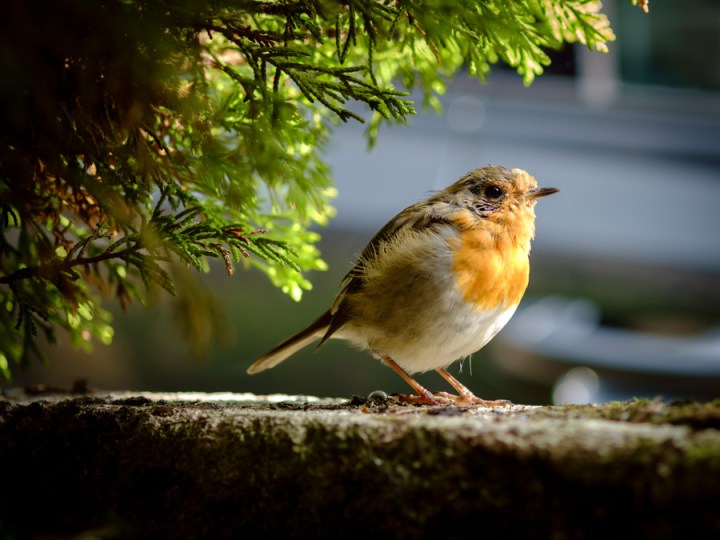
Cheeky Robin[exif id=”792″]

This inquisitive fellow got close enough for me to get some nice shots with my 60mm prime.

September

One less brick in the wall[exif id=”780″]

There seem to be fewer bricks in this wall on each subsequent visit. This ruined old house is high up on the hillside above Mytholmroyd.

October

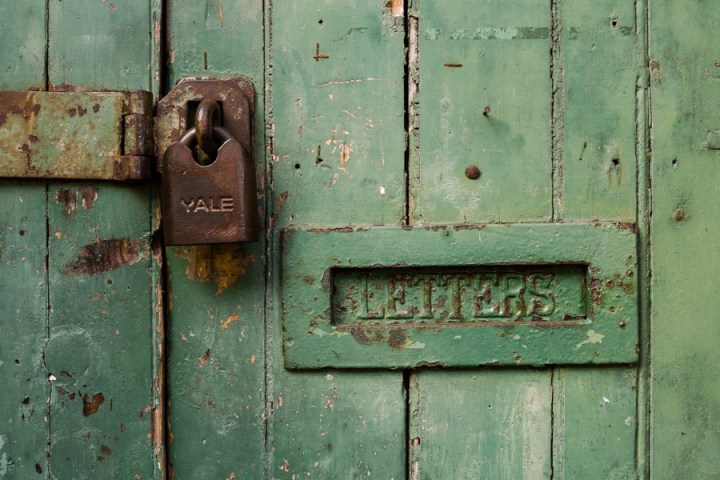
Locks and Letters[exif id=”782″]

A detail of an old factory door in Hebden Bridge, former home to a metal spinning company.

November

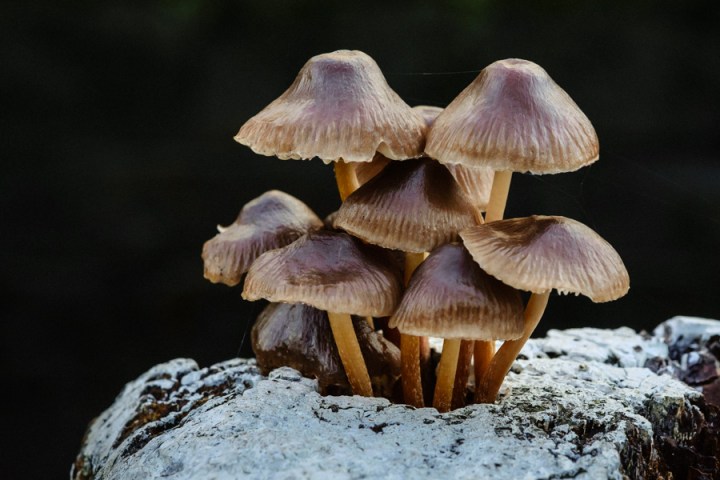
Little toadstools[exif id=”783″]

These little toadstools are growing from the top of a bollard by the canal in Hebden Bridge. I’ve not been able to identify them, any experts out there like to help me out?

December

Frosty Hebden[exif id=”784″]
We had such a mild, wet winter last year, it’s nice to be able to round out 2014 with a shot taken on a cold frosty day. Hopefully we’ll get some snow soon.

Thank you to all my readers and those who’ve kindly bought prints from Etsy and the Light Priority Shop. Sales will resume in January if you’d like to help support my work. I hope you all have a fantastic winter holiday and new year. I’m looking forward to sharing more images with you in 2015!

The Abandoned Pottery

The Abandoned Pottery

It’s not often I get the chance to do a little urban exploration, so when a friend suggested visiting an abandoned pottery out in the countryside, I leapt at the opportunity. Urban exploration, or “urbex” for short, is the pursuit of exploring and documenting derelict and abandoned places before they succumb to vandalism and the ravages of time. As these places tend to get destroyed and robbed once they become well known, I’m not going to say where it is. Indeed the place has already been trashed in parts and has had quite a few items stollen. The first few bits of graffiti have also popped up in recent months, judging from older photos I’ve seen of the place.

Chaotic barn

[exif id=”738″]

The pottery is made up of several buildings and sheds. All are in a state of chaos with things everywhere. What ever caused this place to shut down and become abandoned obviously happened fairly quickly as it seems no effort was made to sell off stock or machinery. What’s also strange is the abundance of personal property, given this was a business and not a residence. Photographs, birthday cards, decades old newspapers, magazines and all manner of things can be found strewn around. Much of it dating from the 1970s and 80s.

Rusting milk churns

[exif id=”737″]

These old milk churns are rusting away outside the barn you can see above.

Pottery workshop open to the elements

[exif id=”739″]

Several of the pottery’s workshops are missing their rooves and are being overrun by nature, to add to their already dilapidated state. Unfinished pots are everywhere, in some places in piles where shelves have rotted away and collapsed. Some still neatly lie between sheets of deteriorating cardboard where they’ve been patiently waiting to be glazed for decades. It all adds to the impression that after work ended one day, the business closed never to reopen.

Large machinery

[exif id=”741″]

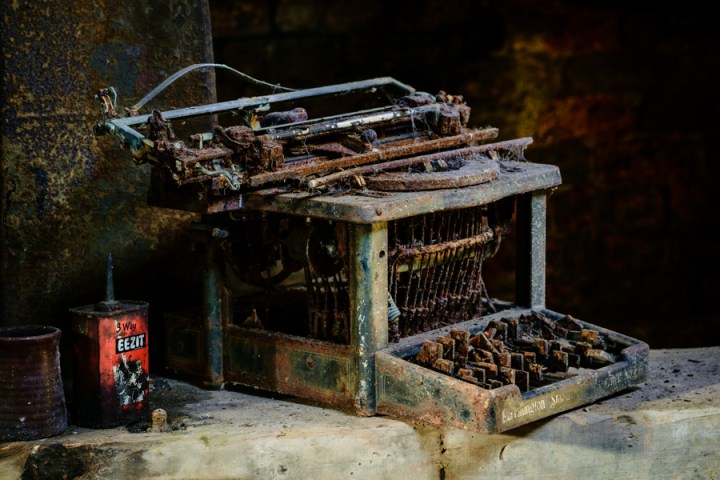
Among the masses of pottery, ferns and general bric-a-brac, are a number of large pieces of vintage looking machinery. One of the workshops even features a Victorian style line shaft system for the distribution of mechanical power to multiple pieces of equipment. The machine shown above is the largest at the pottery. I believe it was used to extract excess water from the clay that was processed at the site. Sitting in front of it is a badly deteriorated, but fascinating looking typewriter.

Ancient typewriter

[exif id=”740″]

Curious piano

[exif id=”743″]

Another interesting discovery was this piano tucked away in a room just off one of the workshops. Why you’d have a piano in a pottery that must have had a lot of very noisy equipment running most of the time, I don’t know. Curiously the fairly grand furniture is sitting against bare breeze block walls. It seems like this part of the building was a late addition to the site, so maybe they ran out of money before it could be plastered? Still it all adds the mystery and intrigue of the place. This room was very dark so it took a rather long exposure to make anything of it. What light it had did have a nice quality to it though. In case you’re wondering, the piano had stopped working.

Ladder in pool of sunshine

[exif id=”744″]

At the front of the pottery was a shop and tearoom area. While this is the most intact part of the site structurally, sadly it’s been pillaged of anything valuable and some louts have pulled most of the furniture from its original positions and littered everything else on to the floor. With all the windows boarded up and the skylights very murky from decades of grime, it’s rather dark inside. A solitary shaft of sunlight nicely lit the ladder you see above. Presumably some intrepid person had used it to look up in the loft area as it didn’t seem like it belonged there. Despite the messy state of the place, lots of interesting personal artefacts were still littered about. Including these political campaign fliers urging you to vote wisely at the local election in May 1980.

Vote wisely for a better future!

[exif id=”745″]

An old menu advises you that the cost of a cup tea and biscuit was a mere 35p, as was a buttered scone. Prices that seem ludicrously cheap in today’s Britain. Previous visitors had clearly made attempts to arrange items to create more visually pleasing photographs and make sense of the jumble. Generally that’s not something that I’d condone, but given the mess this place is in, I can see why people would want to try and bring a little order back. I had to light the shot below with my phone it was so dark!

Tea and biscuits just 35p

[exif id=”749″]

Also inside the shop area I came across this photographic enlarger and a bottle of ‘fixer’. It seems the former occupant also did a bit of photography on the side and must have had a darkroom somewhere. You can see from this shot just what a mess it is inside, along with the mindless graffiti that’s been daubed in several places.

Photographic enlarger and bottle of fixer

[exif id=”750″]

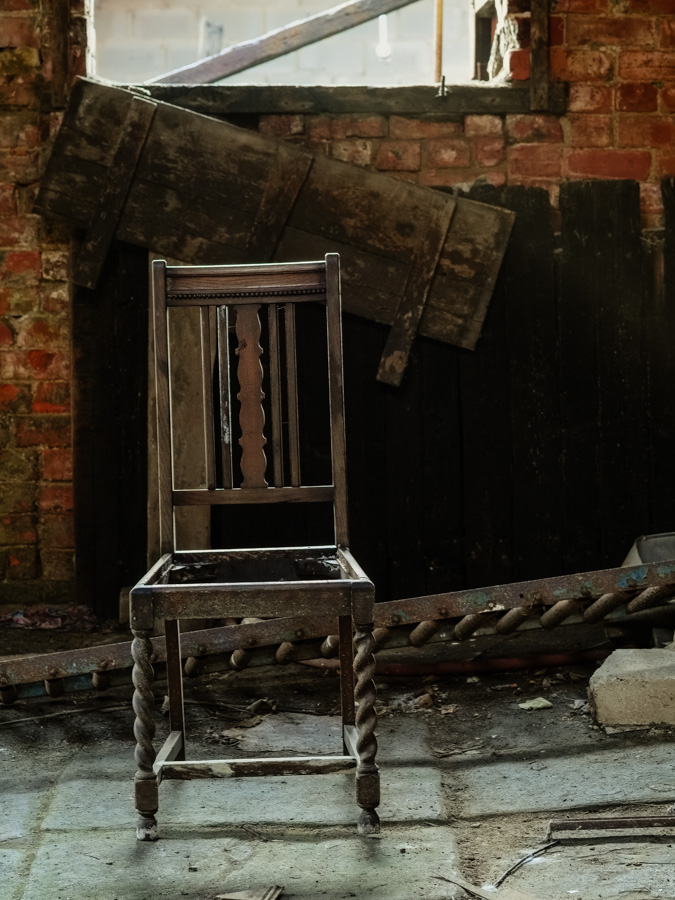
I’ll finish up with this shot of a chair in the clay processing room. There seemed to be a curiously large number of chairs all over the site. All wooden and many missing their bottoms. There’s something about a vacant chair that makes a place feel lonely don’t you think? Anyway I hope you’ve enjoyed this photographic exploration of the old pottery. If you’ve enjoyed this post please consider supporting me and the site by buying a print from my store or on Etsy.

DSCF2957-2

[exif id=”742″]

Late summer photo potpourri

Late summer photo potpourri

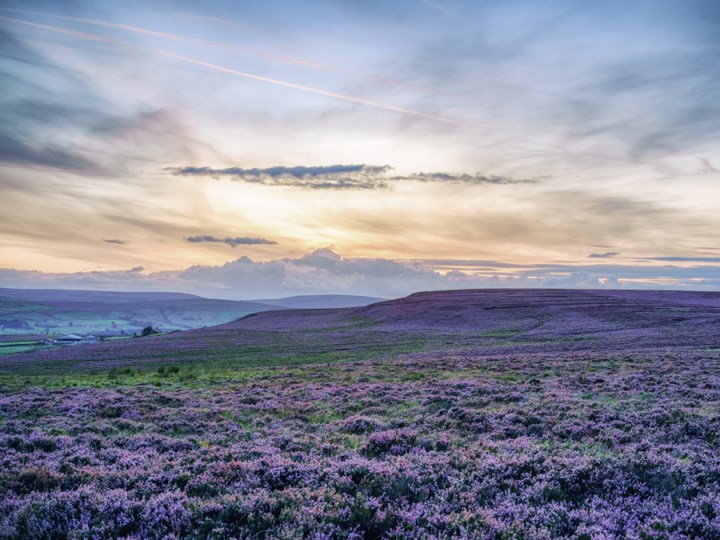
I’ve not managed to come up with a particular theme for this post so instead I’ve put together a selection of of images I’ve taken from mid-August through September. Hopefully it still proves interesting! The image above shows Midgley Moor in Calderdale, West Yorks with the heather blossoms at their peak. Quite a magical sight, especially around sunset.

DSCF0714
[exif id=”707″]

Sunlight through stained glass always looks beautiful, I like the symmetry of the little windows here.

DSCF0805
[exif id=”708″]

A lovely saddle tank engine pulling out of Bolton Abbey station.

DSCF0840
[exif id=”709″]

Another shot from Bolton Abbey station, this time of the slightly grungy side of an old diesel, proudly showing its old British Rail logo.

DSCF0962
[exif id=”710″]

This was a lucky shot. I’d just sat down to have a cup of tea and scone with a friend, when this little visitor settled on the wall beside our table. Luckily I had the camera out on the table with the 60mm attached and was able to snap a few shots including this one before the robin flew away.

DSCF0988
[exif id=”711″]

2014 marks the 100th anniversary of the start of the 1st World War. A local commemoration was this sand statue at the Hebden Bridge town hall titled “Grief is Eternal”. Showing a weeping widow who has received the news of the loss of her husband in the war.

DSCF1076-Edit
[exif id=”712″]

A line of old grouse shooting boxes up on the moor with a sea of heather behind.

DSCF1173-2
[exif id=”714″]

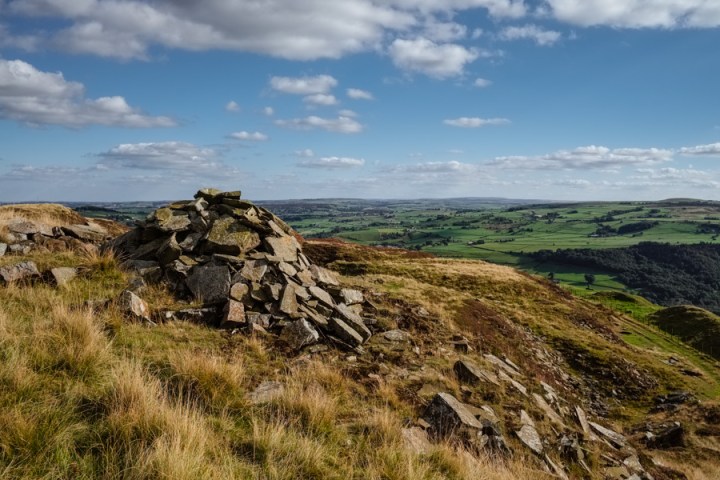
A cairn (stone pile) overlooking the valley from the edge of Midgley Moor.

DSCF1201-2
[exif id=”715″]

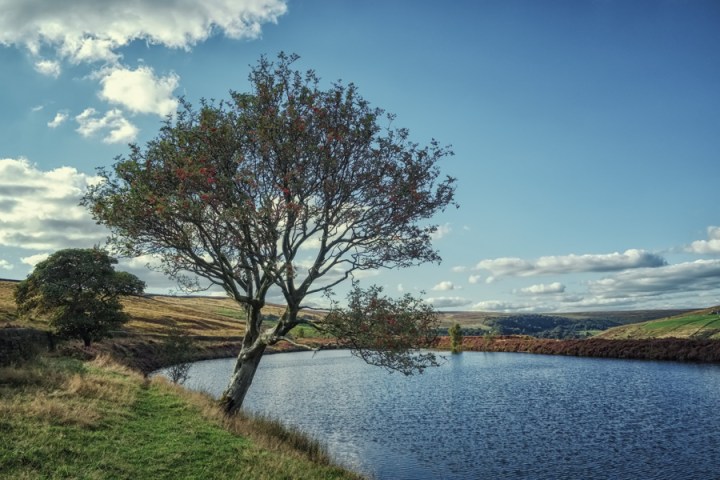
One more shot from Midgley, this one showing a curious tiny little reservoir at the far side.

DSCF1314-Edit
[exif id=”716″]

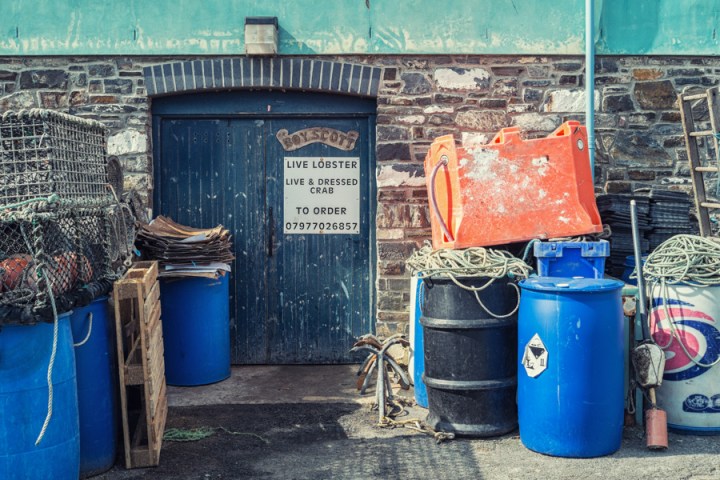
September saw a weekend getaway to my old hometown of Aberystwyth in mid Wales. This shot was taken wandering around the marina, an area I’ve always found fascinating.

DSCF1352
[exif id=”717″]

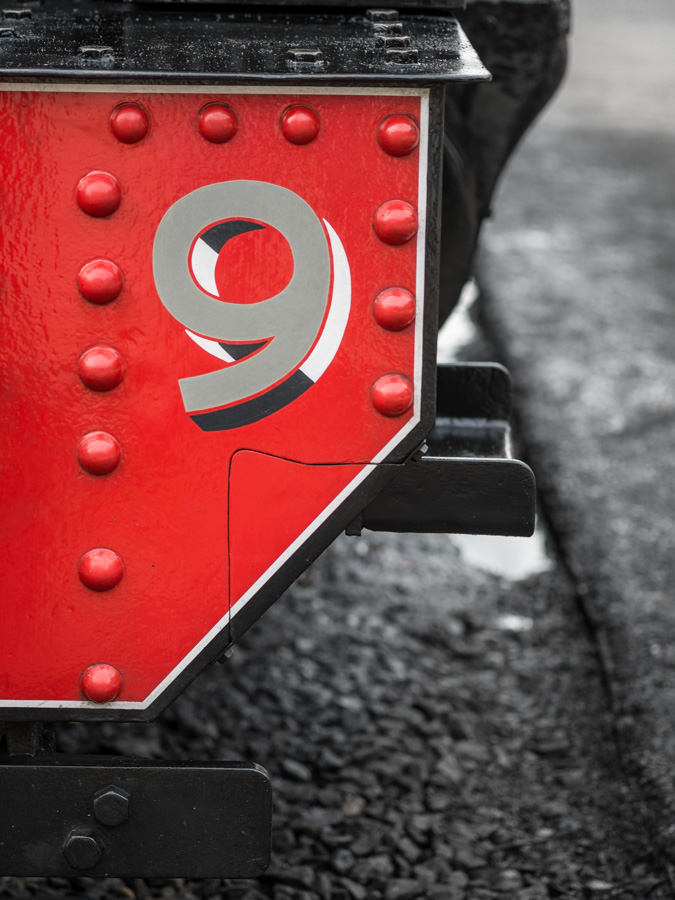
A lovely little narrow gauge heritage railway runs the hills from Aberystwyth through to Devil’s Bridge. This is a detail of the bumper at the front of the engine.

DSCF1608-Edit
[exif id=”718″]

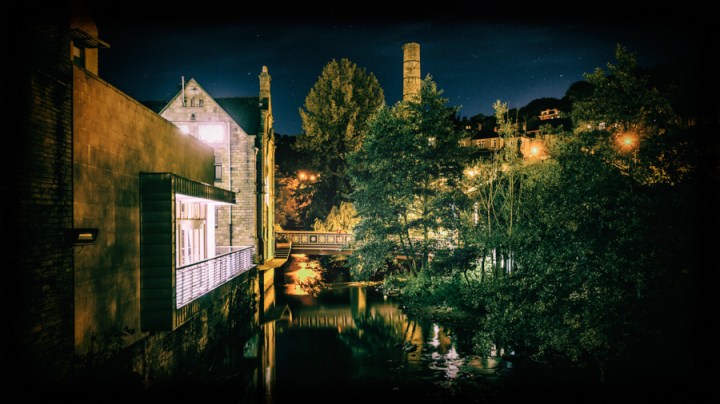
Finally here’s a night shot of Hebden Bridge, taken from the old packhorse bridge looking towards the town hall and Innovation Mill.

Support the site

If you like my images and writing, please help support this site by buying a print from my on-line store or via Etsy.

Before and Afters

Before and Afters

People often ask me if I’ve gotten any good shots when I’m out taking photos – it’s a question I often find a little hard to answer. Aside from being a fairly modest person, I often don’t quite know how well a photo has turned out until I’ve seen it on a big screen and done a little editing. I shoot RAW and I like to process my images to increase the dynamic range a bit, make the colours more punchy and generally tweak things until it looks right to me. Sometimes shots which I think look great in camera turn out to be duds and sometimes, with a bit of editing, a shot that I initially think is lacklustre can turn out quite special. I thought it would be fun to share a few before and afters to show how I derive some my images. I do about 90% of my editing in Lightroom. For the remaining 10%, I use a mixture of Photoshop CS4 and Color Efex Pro 2. I’m also starting to experiment with Analog Efex Pro 2, which can do some lovely effects, but makes it easy to overdo things.

_DSC1760 (1)
[exif id=”680″]

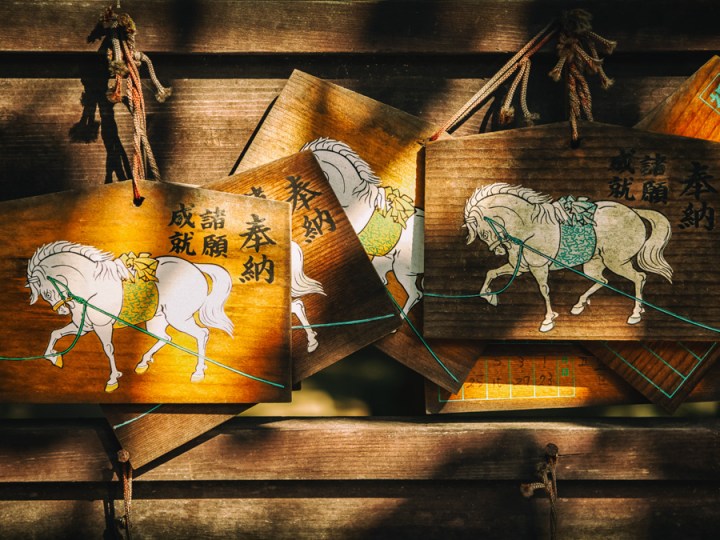
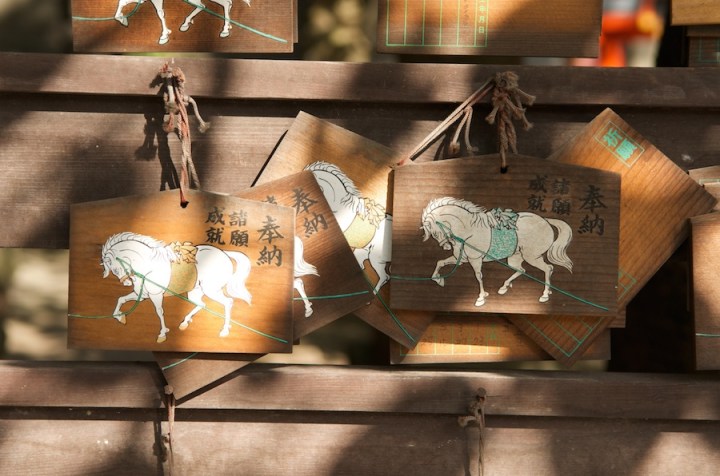
Here’s a fairly bland shot of some ema boards at a shrine in Kyoto. The dappled light is quite nice, but overall this isn’t a great image, it’s a bit wonky, the composition is rather unfocused, the highlights are blown and everything is a bit flat looking.

Wishes on Horseback

After some work in Lightroom, Analog Efex Pro 2 and Photoshop I got this result which I’m rather pleased with. A tighter crop has helped focus the image, pumping the saturation and toning the shadows has helped improve the bland feeling of the light, adding a sense of warmth and late evening sunlight. A little careful masking, and blurred noise in Photoshop has fixed the burnt out area on the lefthand ema, although it’s a little hard to see at this size. It looked wrong darkening it too much.

_DSC0665
[exif id=”683″]

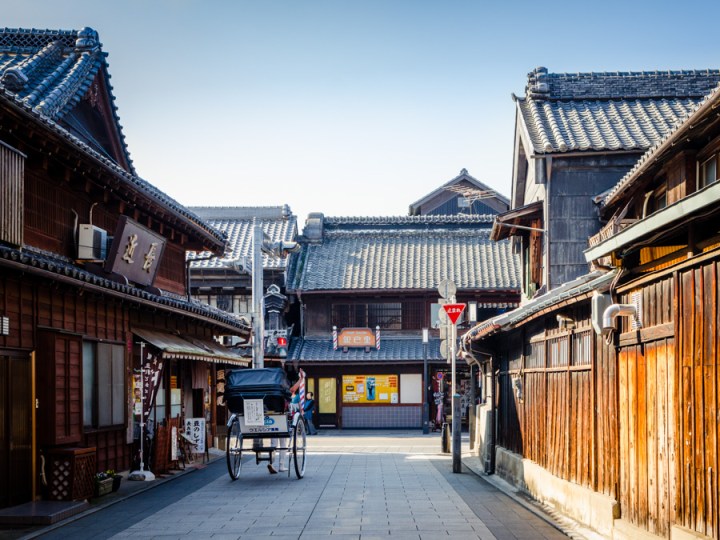
Another Japan shot, this time from Kawagoe. My old Nikon D7000 had terrible metering and often over exposed skies as you can see here. Overall I quite like the composition, but it could use a bit of tightening up and the removal of some the superfluous elements like that white post on the left. The shadow areas are bit dark too and could use lifting.

Kawagoe Street Scene

A slight crop removes that distracting post on the left side and loses a bit of the featureless panelling on the right. I’ve done quite a bit of work on the sky as you can see, adding back some of the blue using the graduated filter in Lightroom with a little shift in white balance to bring out the blue. I’ve warmed up the colours and brought up the saturation to bring out those wonderful hues in the wooden panels. I decided the people standing in front of the barbershop were detracting a little from the center of the photo, which is where the perspective naturally leads your eyes, so I took them out in Photoshop and reconstructed the obscured elements.

DSCF8956
[exif id=”685″]

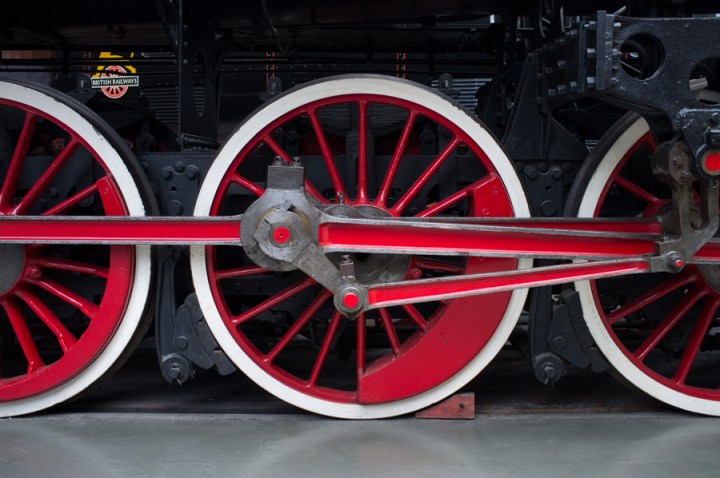
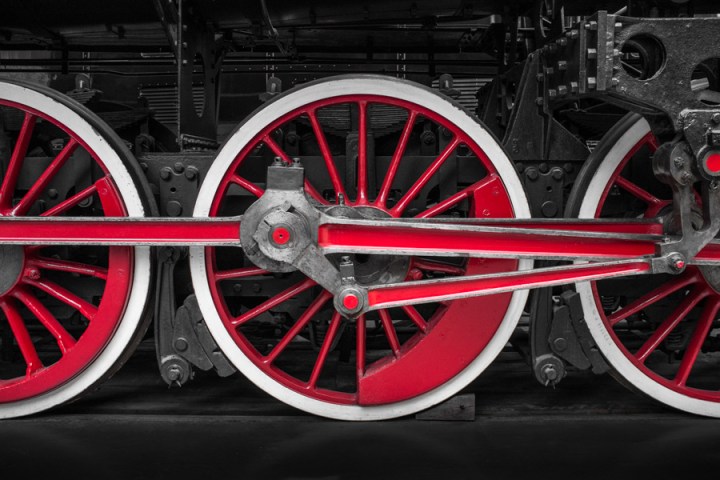
I carefully composed this shot, so even without any editing things are nicely straight and lined up how I want them. That bright logo in the background is eye catching though and the light grey floor also draws your eye a bit too much. Both of these are unavoidable elements which I couldn’t work around at the time of shooting, so it’s into the digital darkroom to make some alterations…

Locomotion in Red

I decided to selectively colour the image, desaturating everything apart from the red. Not that there was much other colour anyway, but it helped to create a uniform look. I darkened the floor with a graduated filter and edited out the old British Railways logo that was visible in the background. I used the spot healing tool to remove quite a few minor blemishes. The end result is a nicely balanced image with a good sense of symmetry.

DSCF0976
[exif id=”687″]

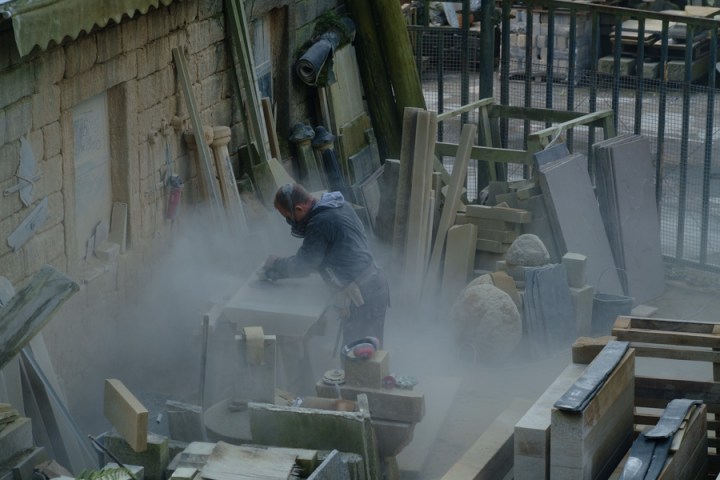
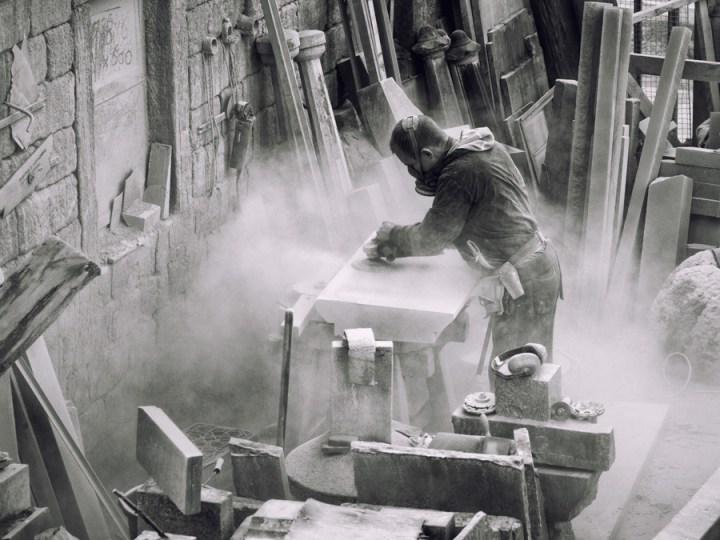
When I took this shot I could really have used a longer lens (that 90mm f2 can’t come soon enough Fuji!). The subject is a bit lost in the clutter, the light is rather flat and stone dust is making things look very murky.

Stone Mason at Work

I shot this with my camera in the black and white film simulation and once in Lightroom I developed the RAW as a black and white image. Black and white is great for subjects where the light is flat and there isn’t much colour to work with, it lets you really pump up the contrast and definition without making the image look awful. I’ve cropped the image down quite a bit to place the stone mason on a third line and minimise the surrounding clutter. Further processing in Color Efex Pro helped to bring out the details in the dust cloud, adding more drama to the image. I’ve also subtly toned it, bringing in a little warmth to reflect the warm hues of the local stone and to add a slightly old-timey look.

I hope you’ve enjoyed this behind the scenes look at how I do some of my editing. If you’d like to support my work please take a look at my shop on Light Priority or Etsy and consider buying a print.

Project: Yellow Bicycles

Project: Yellow Bicycles

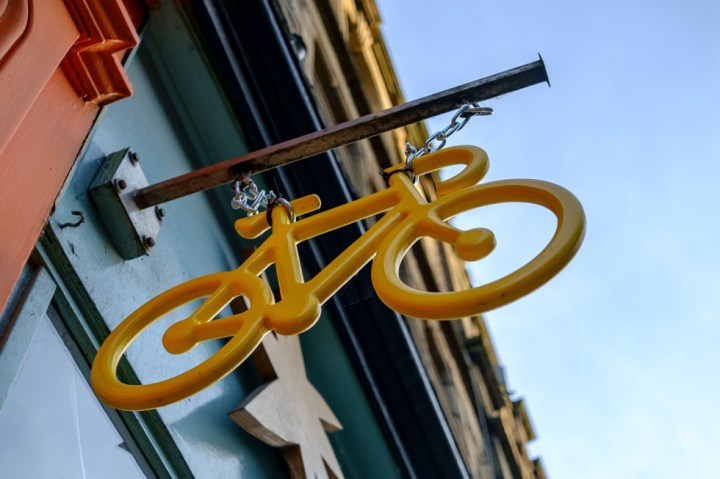
July is a special month in Yorkshire this year – le Tour de France is passing though! Two of the three stages of the Grand Départ are being held here, with stage 2 passing through my village on its way from York to Sheffield. There’s a lot of enthusiasm for the famous cycle race, with Le Tour themed displays in nearly all the local shops, schools and pubs. In particular the iconic yellow bicycle is near ubiquitous.

My X-E1’s autofocus is not well suited to trying to grab snaps of the peloton as it zooms by, but recording how the community celebrates le Tour on the other hand most certainly is. So here’s a little taste of what it’s like to live somewhere that the famous race is about to peddle through. Photos are from Hebden Bridge, Mytholmroyd and Cragg Vale.

DSCF9058

[exif id=”588″]

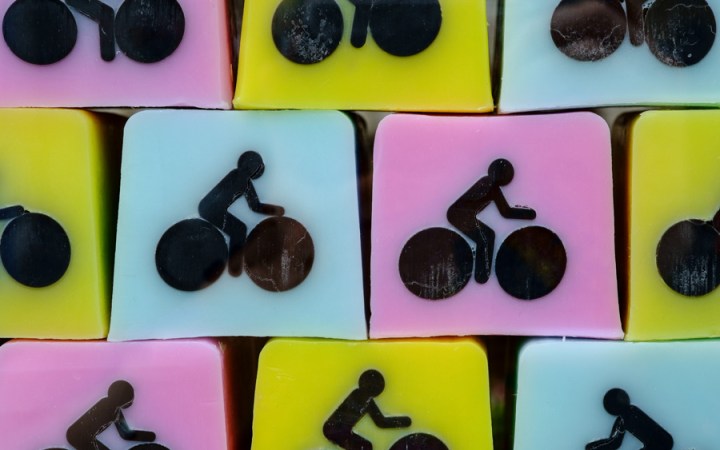
The Yorkshire Soap Company has produced these wonderful bike themed soap bars which they’ve been proudly displaying in their window.

DSCF9060

[exif id=”588″]

Hebden Bridge is a creative hub so it’s not surprising to see more than a few handmade displays to compliment the plastic yellow bikes.

DSCF9471

[exif id=”585″]

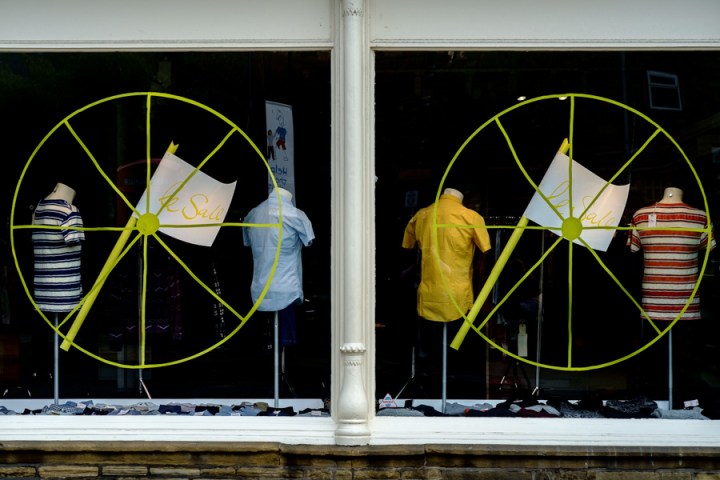
Some shop owners have really gone to town creating Le Tour themed displays like this hair salon in Mytholmroyd.

DSCF9096

[exif id=”579″]

DSCF9073

[exif id=”573″]

This display of ascending yellow bikes a café window caught my eye. There was very little colour in the scene apart from the bikes so I decided to try desaturating everything else.

DSCF9514

[exif id=”641″]

Some home owners along the route are really getting into the spirit too with bunting and yellow bikes galore. It really adds to the festive atmosphere.

DSCF9075

[exif id=”574″]

A slight variation on the yellow bike theme. Lots of local businesses are making the most the expected surge in visitors with sales and specials to attract customers.

DSCF9080

[exif id=”575″]

Hebden is an LGBT friendly town so it’s nice to see this bike with rainbow wheels above Nelson’s Wine Bar.

DSCF9154

[exif id=”584″]

DSCF9489-2

[exif id=”586″]

It’s hard to escape Le Tour at the moment, even relaxing in Mooch (a lovely bar/café in Hebden Bridge) my eye is drawn to more yellow bikes across the street.

Robin Hood Pub

[exif id=”642″]

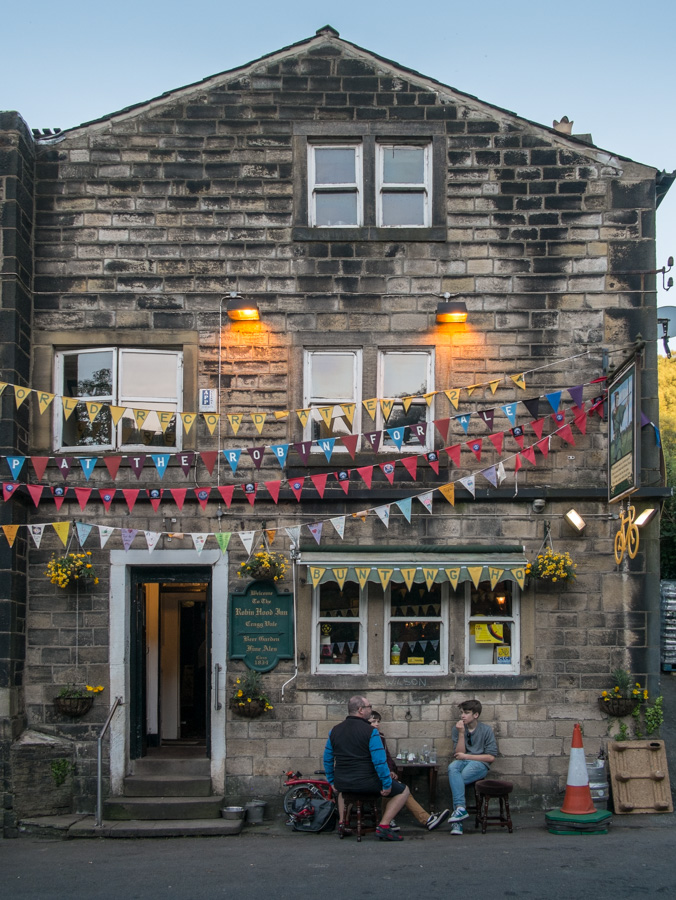
Finally a shot of the Robin Hood Inn in Cragg Vale. Cragg Vale has been attempting to set a world record for the longest stretch of bunting. I’m sure a few of the cyclists racing on Sunday will wish they could stop for a nice cold pint here as they struggle up England’s longest continuous incline.

If you’ve enjoyed these photos please consider supporting my work by buying a print or supporting me on Patreon (like Kickstarter for artists).

Handmade Parade 2014

Handmade Parade 2014

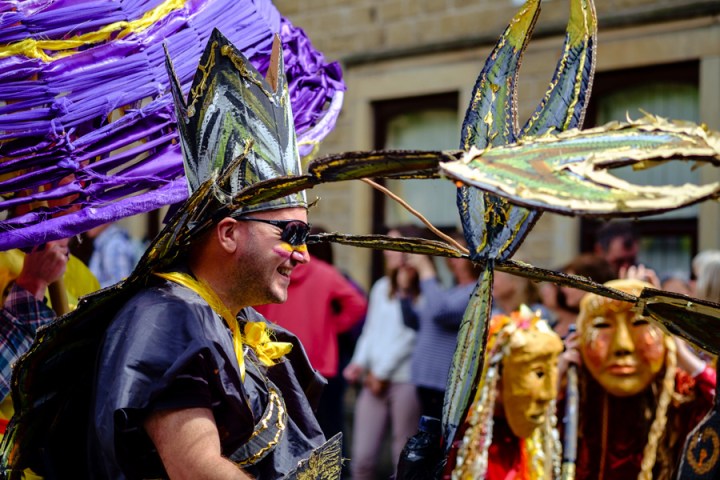
Every year Hebden Bridge throws a wonderful, quirky parade where everyone wears handmade, fantastical costumes. The procession marches through the town, dancing and interacting with the audience that lines the streets, to the sound of drums and brass instruments. This years theme was “Not just endangered, but brought back to life”, featuring everything from dodos to whales. I took these images with my X-E1 paired with the 18mm, 60mm and 50-230mm zoom.

I love Fuji’s Velvia film simulation, with its strongly saturated colours and punchy contrast. Since the most recent Lightroom update finally made it possible for RAW shooters to fully benefit from the film simulations, I’ve found myself using it quite a bit. As you can imagine it was a match made in heaven when it came to photographing the vibrant costumes of the parade.

Riding a purple dodo
X-E1, XC 50-230mm @ 135mm, f6, 1/210 sec
Fishy bicycle
X-E1, 18mm, f8, 1/340 sec

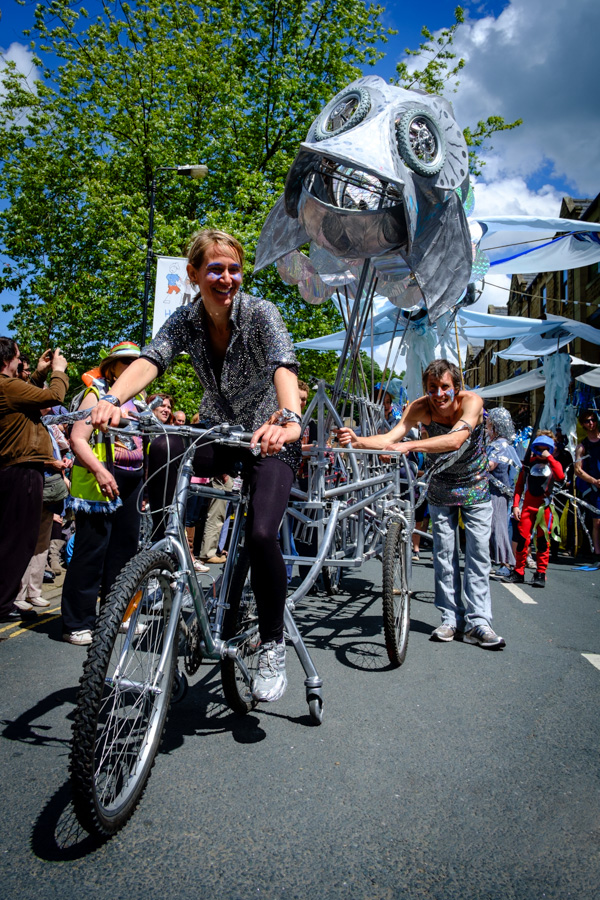
A brief pause in the procession gave me the opportunity to get this low angle shot of this incredible ‘bicycle fish’. A person at the back peddles with their hands to make the fish’s body undulate as if it were swimming, while the person upfront tows it along. The trick to using the 18mm well at this kind of event is to get close to your subject to avoid getting a shot mostly full of spectators.

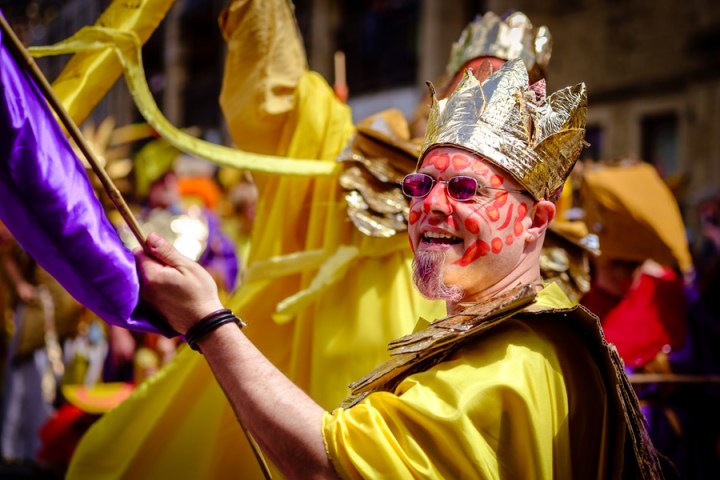
Give us your gold
X-E1, 60mm, f2.4, 1/1900 sec
DSCF8501
X-E1, 60mm, f2.4, 1/950 sec
Toucan
X-E1, 60mm, f2.4, 1/1000 sec

The 60mm really shines at f2.4 in terms of image quality, but the focus speed can sometimes let you down. Perhaps the phase detect AF of the X-E2 or X-T1 would help if anyone has one lying around they feel like donating to a good home 😉

DSCF8464-2
X-E1, 18mm, f2, 1/4000 sec

The 18mm gave great perspective to this high angled shot of a stilt walker. At this kind of distance you don’t get that much subject isolation from the 18mm, but f2 was just enough to throw the background out of focus. In hindsight I should have used a bit of fill flash to brighten the subject’s face.

DSCF8461
X-E1, 18mm, f8, 1/450 sec

Here’s another shot of the chap from above, but here from a little further away. Looking up from a low angle with a wide lens helps to emphasise the height of the stilts.

Muskox
X-E1, 18mm, f8, 1/300 sec

The huge muskox complete with be-horned drummer on its back was one of the most impressive floats of this years parade, preceded by energetic local band Drum Machine.

DSCF8412
X-E1, 60mm, f2.4, 1/800 sec
DSCF8634
X-E1, 50-230mm @ 50mm, f5, 1/950 sec

The parade finishes in Calder Holmes Park where each section gives one final lively show to the assembled audience and the large puppets and floats are lined up so everyone can get a good look at them. My thanks to the organisers for putting on such a great show again this year, I can’t wait for 2015’s parade!

If you’ve enjoyed this article please consider supporting my work by buying a print or through Patreon which is like Kickstarter for artists.


Monochrome collection

Monochrome collection

I’m quite fond of shooting black and white – it has a certain charm and character that can turn a scene that looks mundane in colour into something with impact. Although I use my camera in RAW mode, I often use the black and white film simulation so what I see on the screen and in the viewfinder is not in colour. Since I’m shooting RAW I can always process the image in colour later on, but limiting things to black and white at the point of capture helps focus my attention. It makes you acutely aware of how the light falls on your subject, the shadows that it forms and the contrast between them.

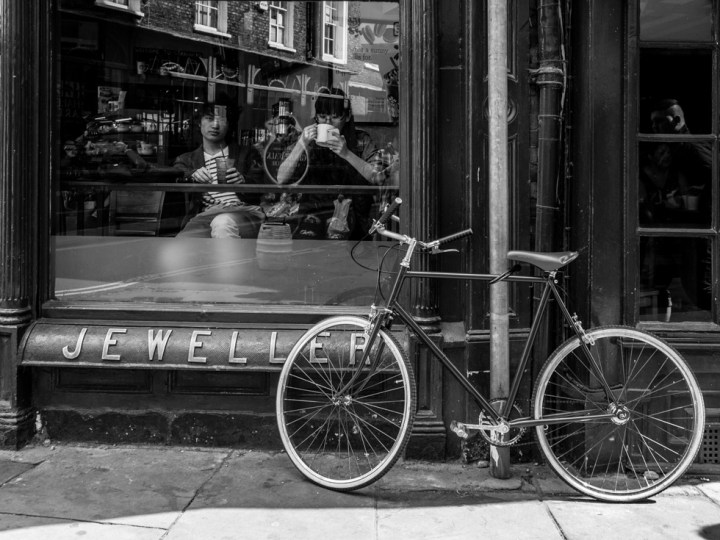
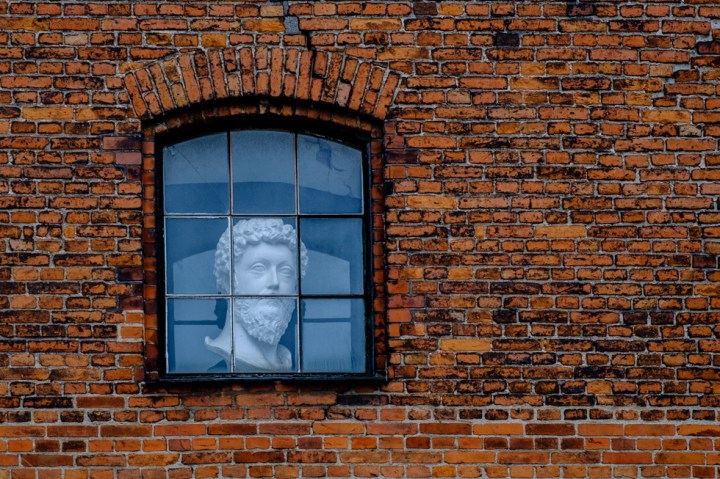
Here’s a selection of some of my favourite black and white shots taken over the past few years, I hope you enjoy them. The featured image above was taken in York and shows one of the historic shops that now serves as a café.

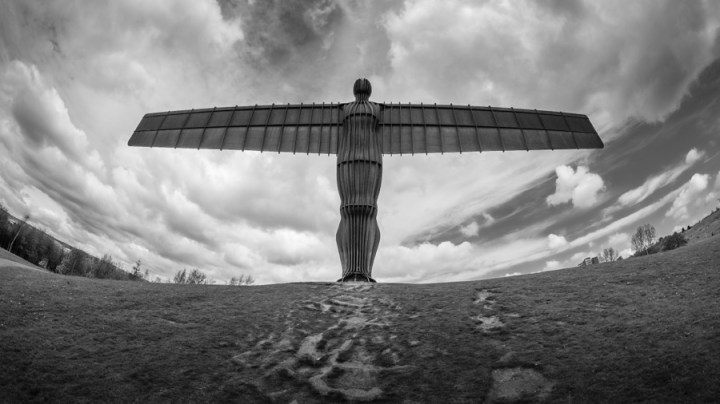
Angel of the North
X-E1, 8mm fisheye, f8, 1/1600 sec

The Angel of the North is an amazing piece of art. Although the sky was interesting when I took this shot, the light itself was rather flat. The stark (and I’m going to be using that word a lot here) metal work vs. the fluffy clouds makes for a nice contrast. This is a shot taken with the Samyang 8mm fisheye, note how keeping the subject level and dead centre avoids almost all obvious distortion in it but lets the foreground curve wildly.

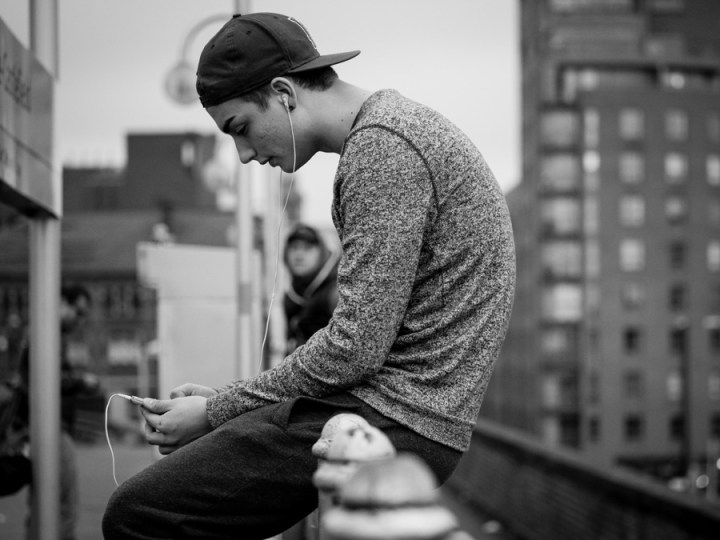
Generation iTunes
X-E1, 60mm, f2.4, 1/950 sec

I saw this young guy while waiting for a tram in Manchester, he was totally engrossed in whatever he was listening to and focused on his iPod. The light was flat and boring but I was close enough to make good use of the 60mm’s creamy bokeh for some nice subject separation.

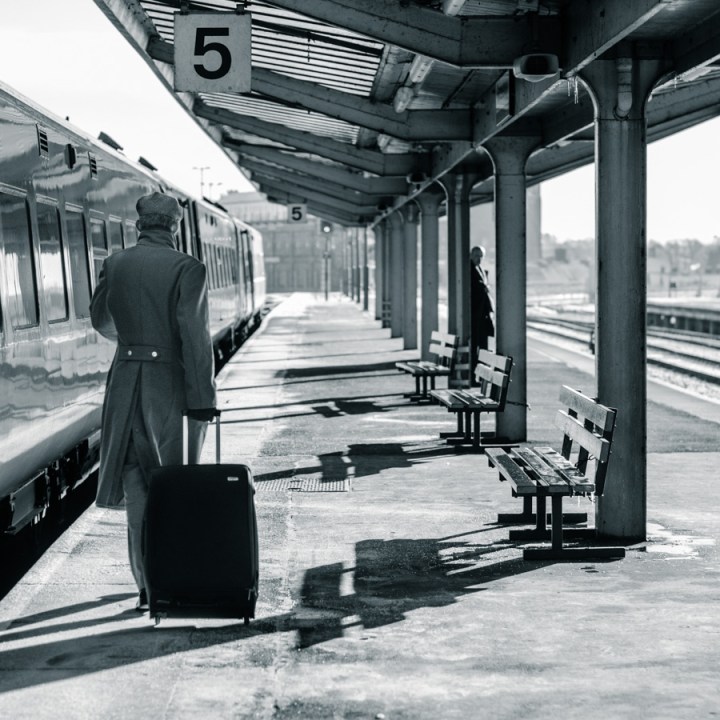
Cold morning on platform No. 5
Nikon D7000, 50mm, f2.2, 1/4000 sec

This is an older shot from my archive taken with my last Nikon DSLR. Returning from a friend’s wedding on a cold November morning, the bright sunlight and interesting details of the station along with my friends somewhat eccentric dress sense made for a nice shot. The slightly sinister figure in the background adds a bit of intrigue as well.

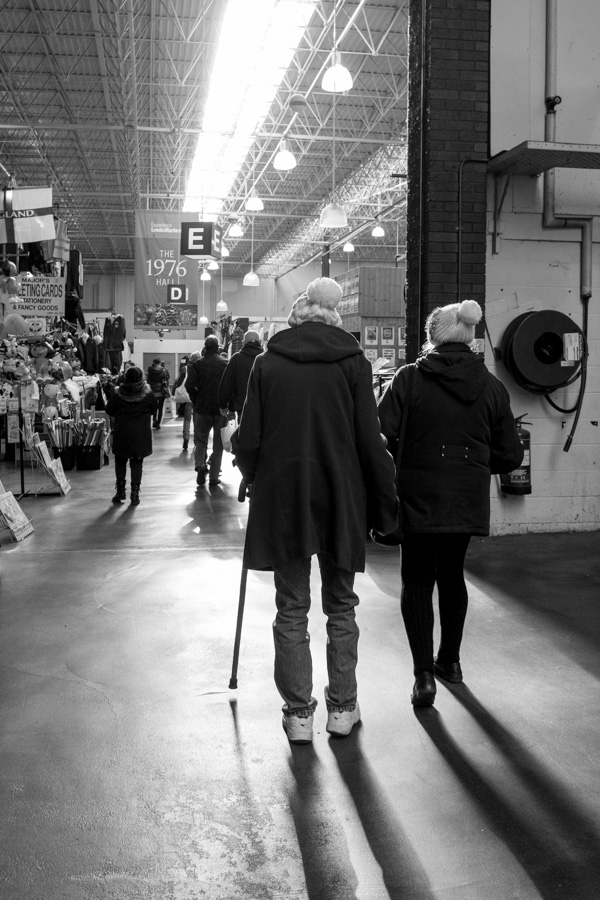
Leeds indoor market
X-E1, 18mm, f5.6, 1/100 sec

Markets are often full of photographic opportunities, but this is the one shot I was really pleased with after spending some time going around Leeds’ indoor market. I’m still not very good at getting in people’s faces to do street work, but I like to think that the nice light and interesting shadows make up for the turned backs in this one.

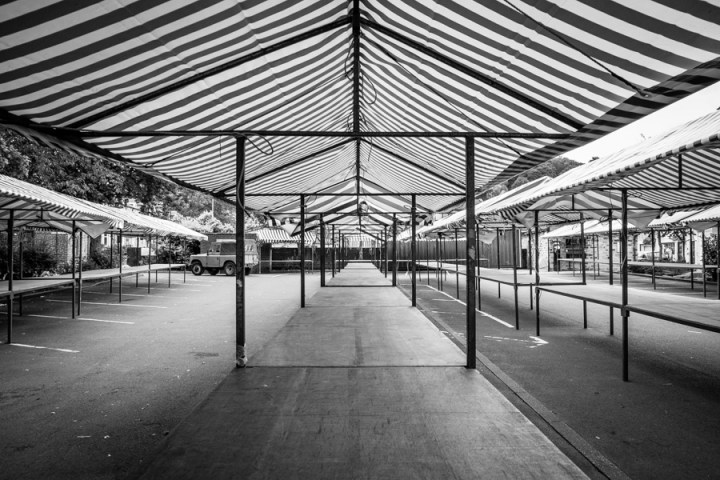
Hebden Bridge market after-hours
X-E1, 18mm, f5.6, 1/40 sec

These are the market stalls in Hebden Bridge after all the traders have cleared up and gone home for the evening. The stark, angular nature of the subject lends itself well to black and white.

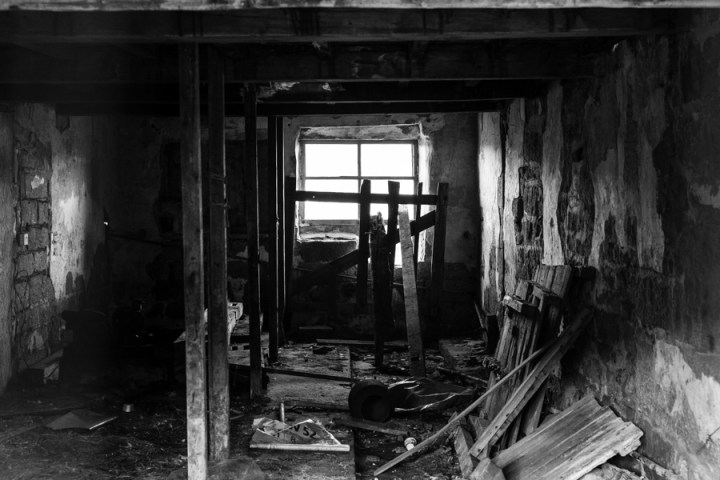
Inside the old barn
X-E1, 35mm, f4, 1/30 sec

Peering into a dilapidated old farm building with my X-E1. These kinds of spaces are always interesting when full of old junk, strong light from the window picks out the details nicely.

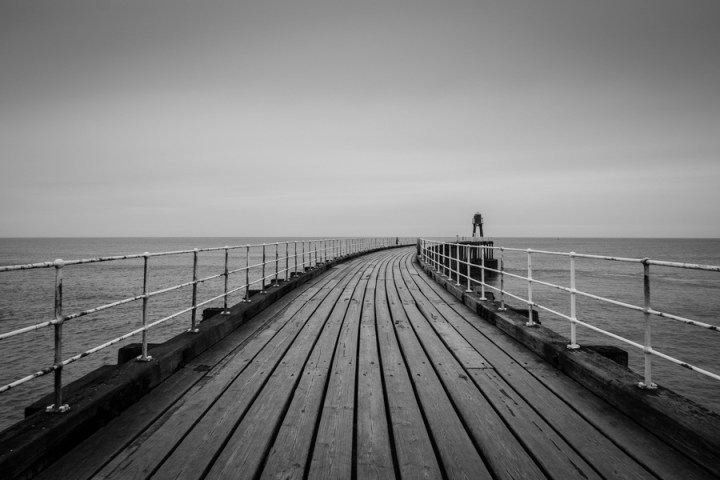
Whitby pier
X-E1, 18mm, f8, 1/75 sec

I took this shot of the pier on a grey day in Whitby. The stark lines created by the planks nicely lead your eye into the shot. As the shot is split pretty much 50/50 between seascape and sky, I like how only the beacon breaches the skyline.

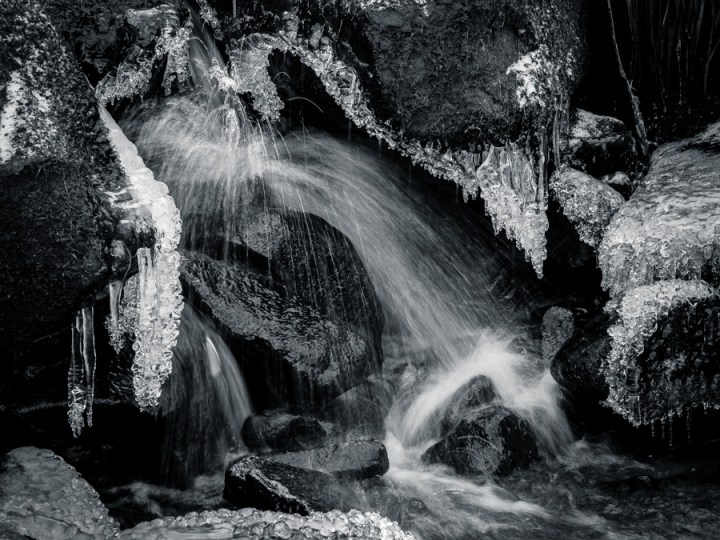
Freezing falls
X-E1, 135mm Takumar, f8, 1/25 sec

Ice and snowy scenes make for excellent black and white shots, using punchy contrast helps to emphasise the fine details. I took this shot in Horsehold using my old 135mm Takumar. The stream that cascades down the gorge there was full of amazing icicles. With such a long lens, in less than perfect shooting conditions, a tripod was essential. I often lug a tripod out and don’t end up using it, but this was one of those times I was really thankful I’d brought it along.

Stonemason's yard
X-E1, 60mm, f4, 1/750 sec

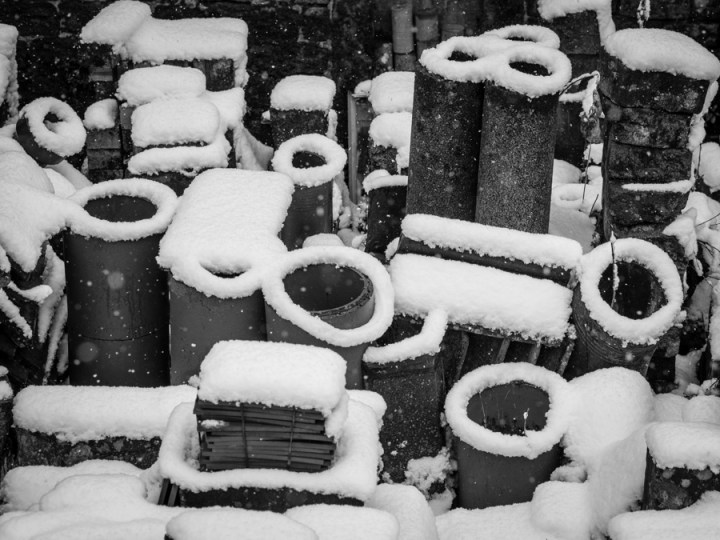
Light snowfall is great for picking out the details in a scene, in this case nicely outlining the chimney pots and pipes in a stonemason’s yard.

The Lure
X-E1, 60mm, f5.6, 1/850 sec

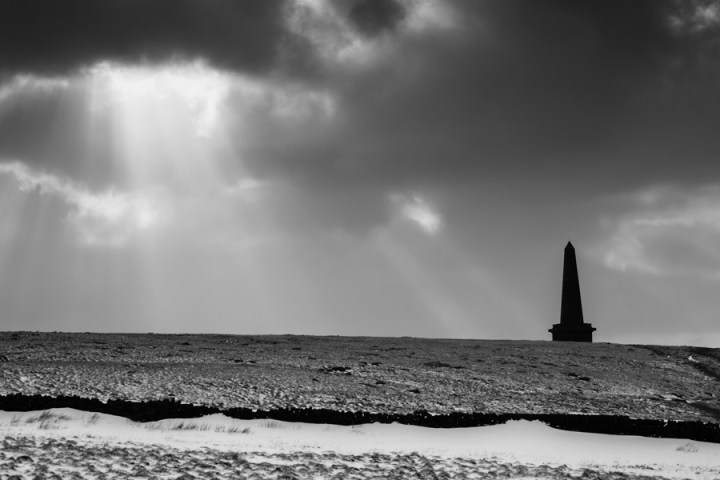
Finally, this is a shot of local landmark Stoodley Pike, in the snow against a dramatic sky. If you’ve enjoyed looking at these photos please consider supporting me by contributing on Patreon on by purchasing a print from the shop.

Wonderful Copenhagen, part 2

Wonderful Copenhagen, part 2

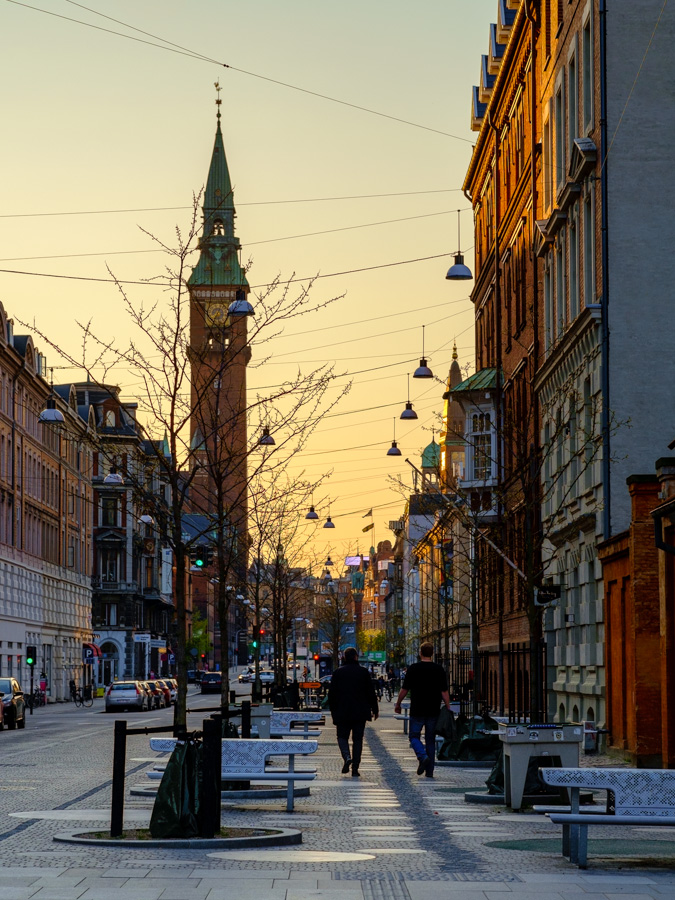
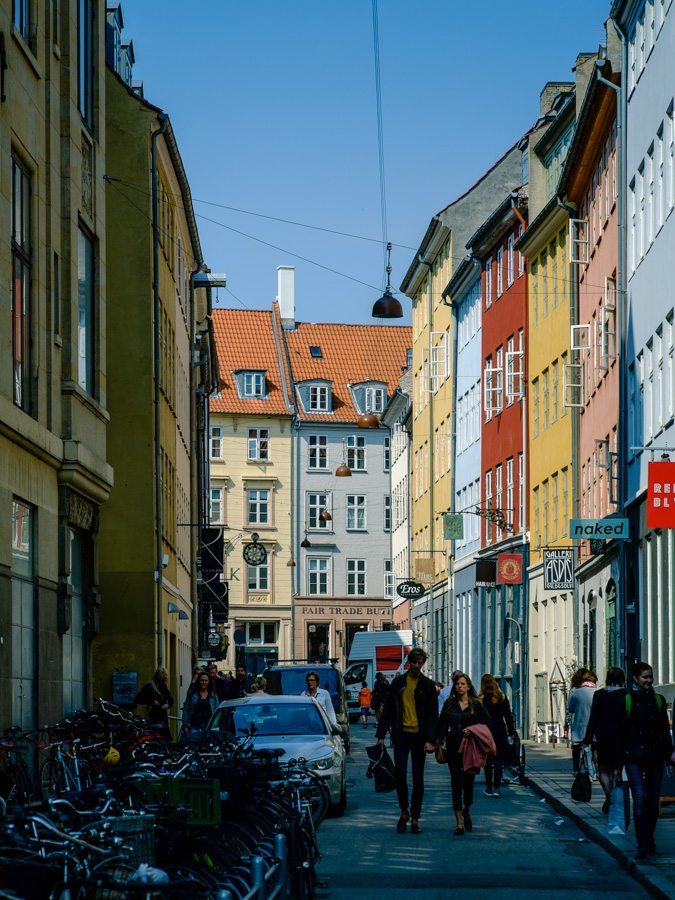
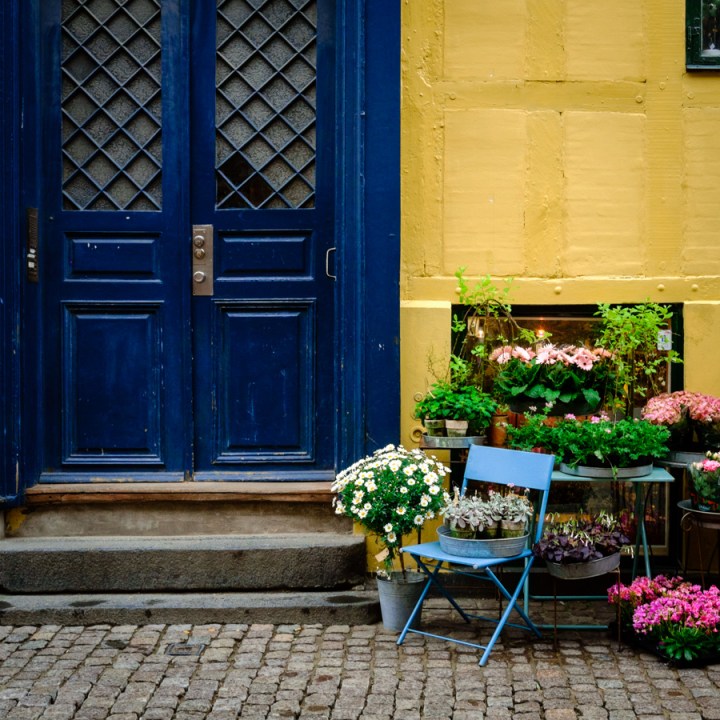
This piece continues my photographic journey around Copenhagen. You can see part 1 by clicking here. Before delving into more photos, let me say a bit about the lenses I took with me. After some deliberation I decided upon the 18, 27 and 60mm primes. That meant leaving the fisheye, 50-230 and my old manual focus optics at home. I think overall the trio I picked out covered 95% of the shooting situations I found myself in. They are all capable performers, their light weight and in particular the small size of the 18 and 27 make them great for travel. You can just put them into a messenger bag or even a coat pocket and blend into the crowd. I’ve got a great LowerPro backpack that I used to cart my Nikon gear around in, but it’s not something I want weighing on my shoulders for hours, especially when walking around all day. The great thing about the Fuji system for travel photography is that it’s so compact and lightweight compared to even a small DSLR setup – crucially while still producing top notch results. It’s taken awhile for mirrorless cameras to reach this point, but now I know there’s no going back.

Rundertaarn Details

DSCF7493
X-E1, 18mm, f5.6, 1/75 sec

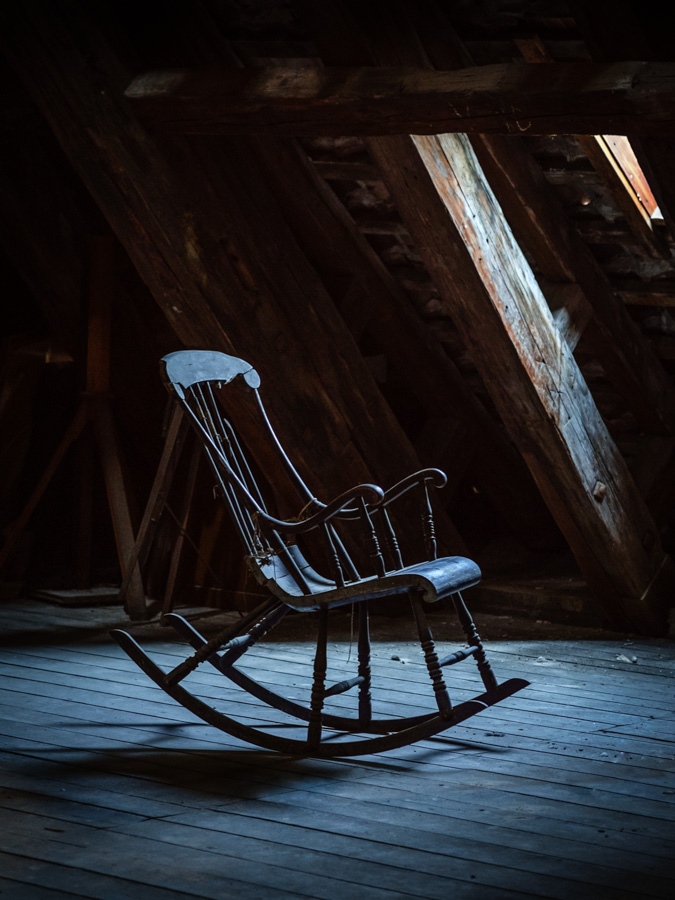
The shot above and below are both from the Rundertaarn, or Round Tower. It’s a 17th century tower and houses a library, church and observatory. Interestingly inside rather than using steps to climb the tower, you instead follow a spiral ramp that was once used to hall books up to the library by means of horse and carriage! The shot below shows an old rocking chair in the bell ringers loft above the church.

Bell Ringer's Retreat
X-E1, 60mm f2.4 1/35 sec

Beautiful boats

DSCF7321-2
X-E1, 18mm, f8, 1/250 sec

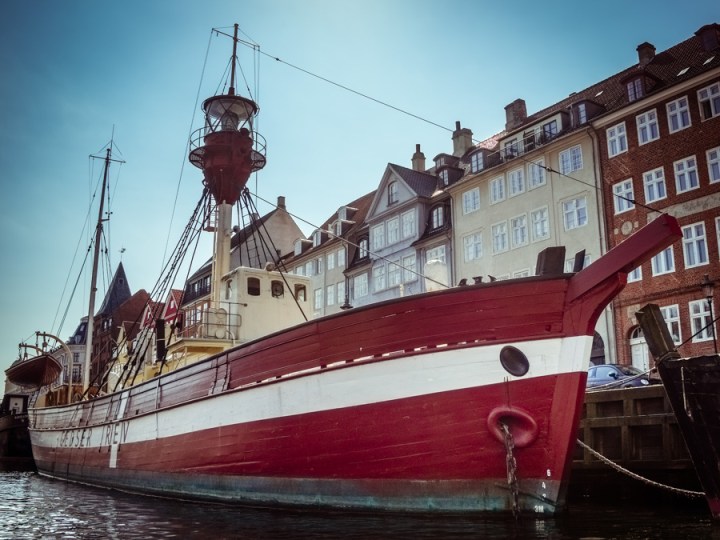
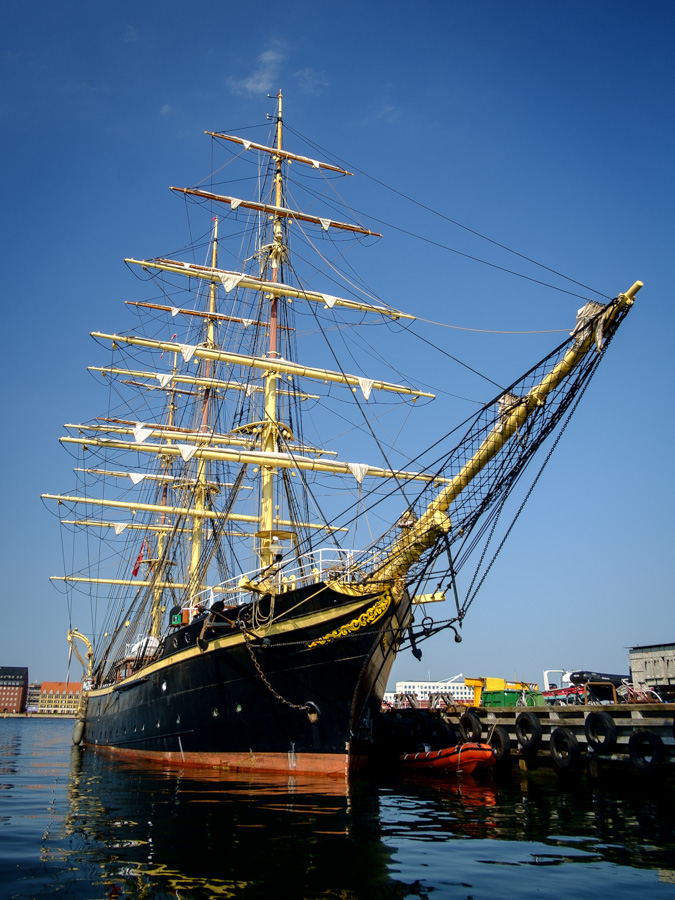
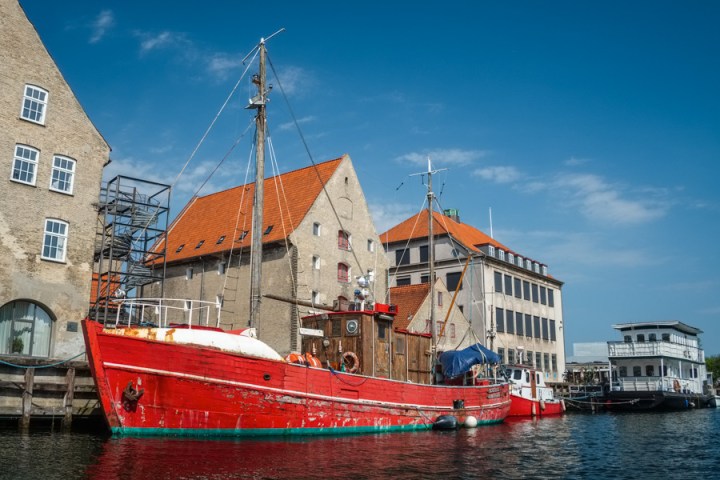
Copenhagen’s waterfront is dotted with lots of beautiful, historic boats. This lovely old lightship is moored in Nyhaven. Below the spectacular tall ship Georg Stage.

X-E1, 18mm, f6.4, 1/180 sec
DSCF7392-2
X-E1, 18mm, f7.1, 1/250 sec

The slightly random selection of apertures in the boat photos is due to me jogging the fairly loose aperture ring on my 18mm and not noticing, ideally I’d have shot all of them at f8.

Street scenes

DSCF7471
X-E1, 60mm f2.4 1/3200

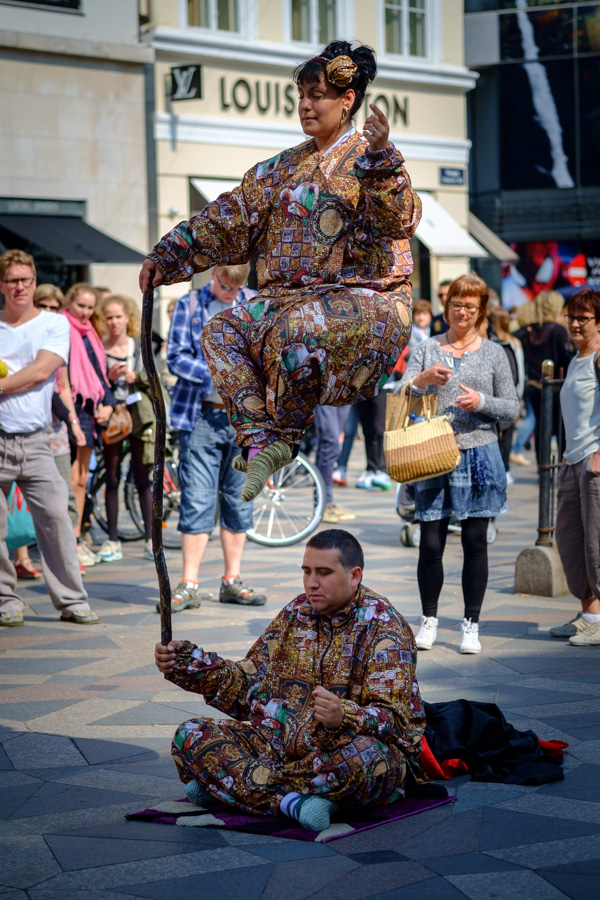
Seeming to defy gravity with spiritual power these street performers no doubt have a trick up their sleeves (or a metal pole at any rate).

DSCF7558
X-E1, 60mm, f5.6, 1/450 sec
DSCF7474
X-E1, 60mm, f5.6, 1/850 sec
DSCF7100
X-E1, 27mm, f6.4, 1/160

Cisternerne

DSCF7590
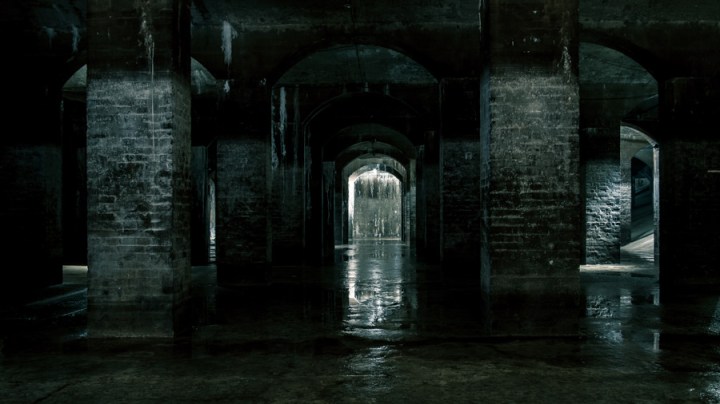
X-E1, 18mm, f10, 30 secs

Cisternerne, the old subterranean reservoir that used to supply drinking water to Copenhagen, has been turned into an eerie exhibition space. It’s well worth experiencing, but if you want to take photos bring a tripod! I certainly wish I had, even shooting my 18mm at f2 and ISO 1600 I struggled to get usable shots with rather slow shutter speeds. I managed to find a spot to rest the camera for the shot above, but otherwise there wasn’t really anywhere convenient.

DSCF7596
X-E1, 18mm f2 1/30 sec

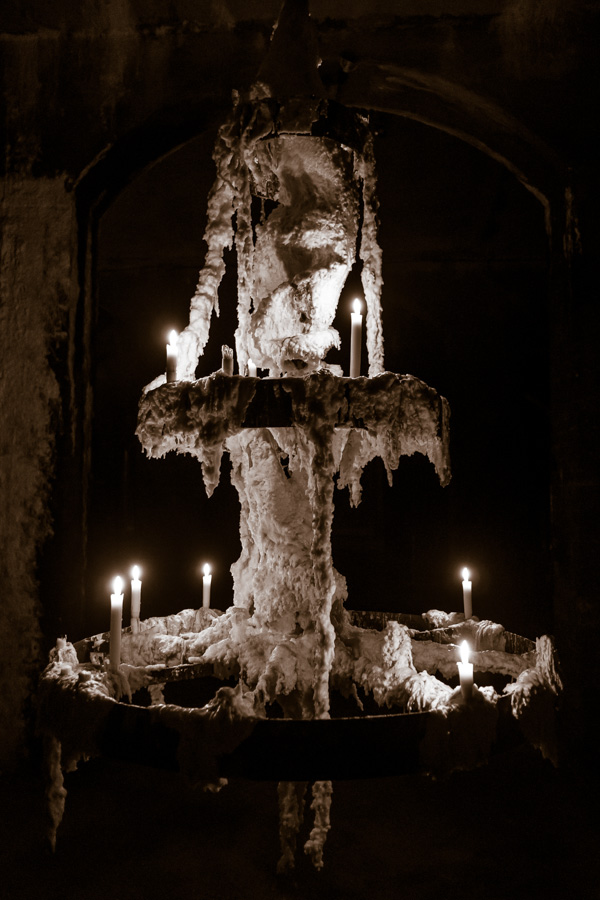
At the moment strange wax laden chandeliers by artisit Christian Lemmerz are being exhibited. Aside from the very occasional spot light these are providing most of the lighting!